

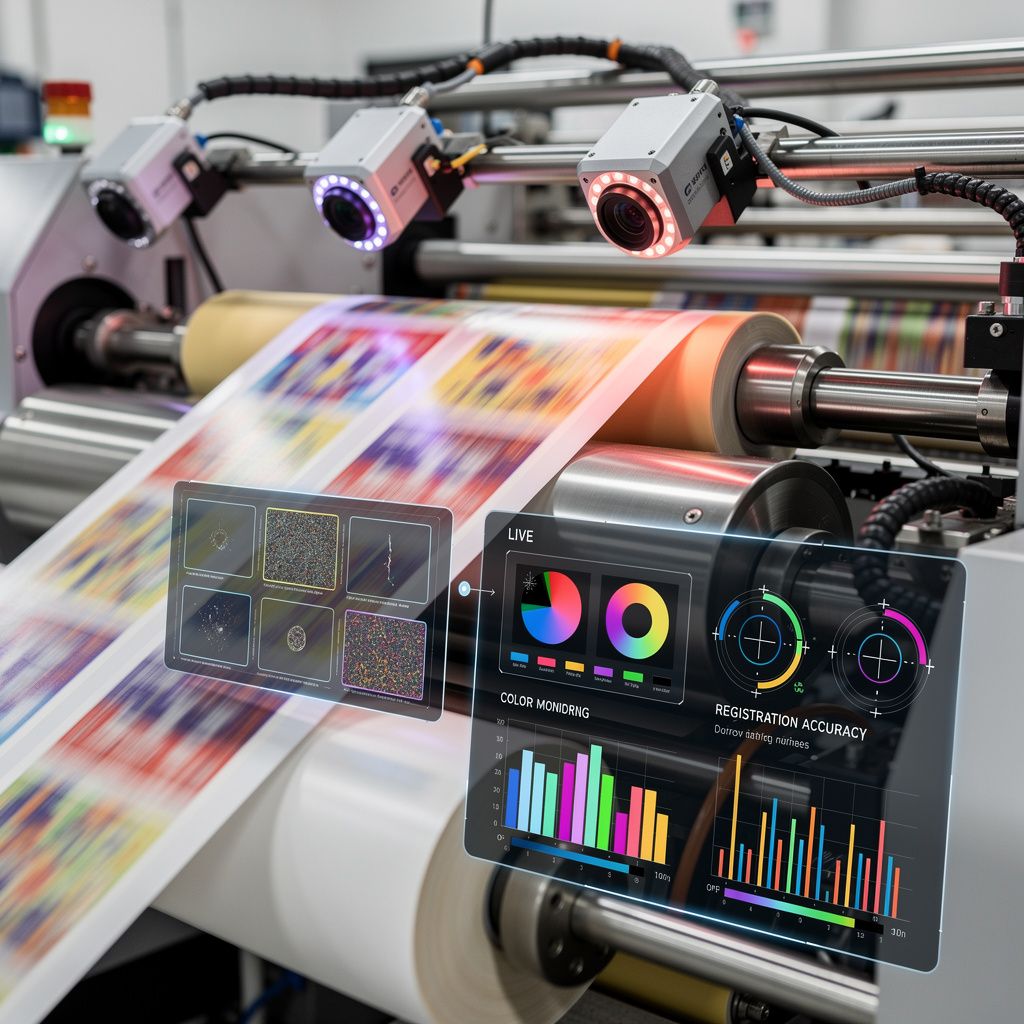

Glass Inspection
Glass Surface Inspection
Glass is widely used in industries such as architectural construction, automotive manufacturing, electronics displays, and specialty industrial applications. The production of glass sheets and panels requires strict control of surface quality to ensure both functional performance and visual appearance.
Glass manufacturing processes such as float glass production, tempering, coating, and laminating can introduce surface defects due to material impurities, process instability, or handling issues. Defects such as scratches, bubbles, inclusions, cracks, or coating irregularities can compromise both the structural integrity and optical quality of the glass.
Lucid Imaging provides machine vision solutions designed for surface inspection of glass during manufacturing and processing operations. The inspection system continuously monitors glass sheets or moving glass surfaces and detects defects in real time, enabling manufacturers to maintain consistent product quality and reduce material losses.
Automated inspection helps glass manufacturers improve production efficiency and ensure that glass products meet the strict quality requirements of downstream applications.
inspection systems
Where This Inspection Is Used
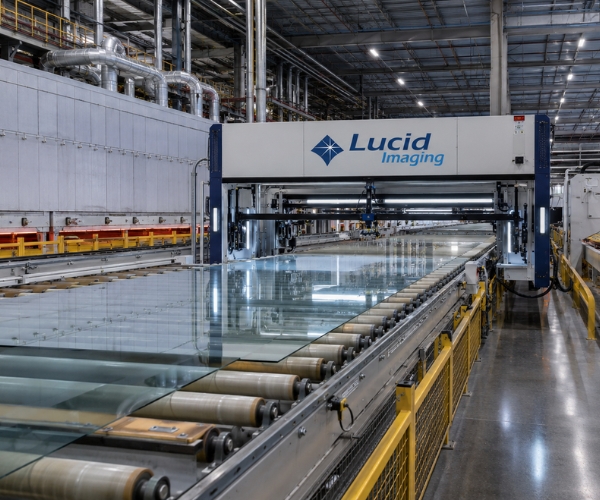
Glass surface inspection systems are used in glass manufacturing plants and glass processing facilities where glass sheets or panels are produced and processed.
Typical inspection applications include:
Inspection Applications
- Inspection of glass surfaces during float glass production
- Detection of defects during glass coating or laminating processes
- Inspection of glass sheets during cutting or processing operations
- Monitoring of surface quality during glass handling stages
Deployment Areas
- Architectural glass panels
- Automotive glass components
- Display glass for electronic devices
- Specialty industrial glass products
Automated inspection helps manufacturers maintain consistent glass quality across high-volume production environments.
Inspection Scope
Maintaining Consistent Quality in Glass Manufacturing
The Glass Surface Inspection System verifies surface integrity, structural consistency, and optical quality of glass materials.
Typical inspection scope includes:
Surface Defect Detection

Scratches or abrasion marks on the glass surface
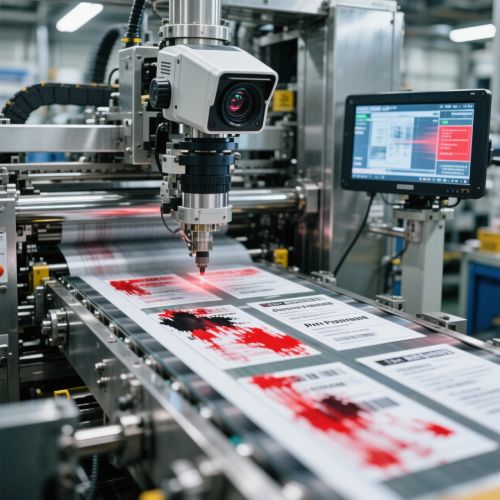
Cracks or micro-cracks
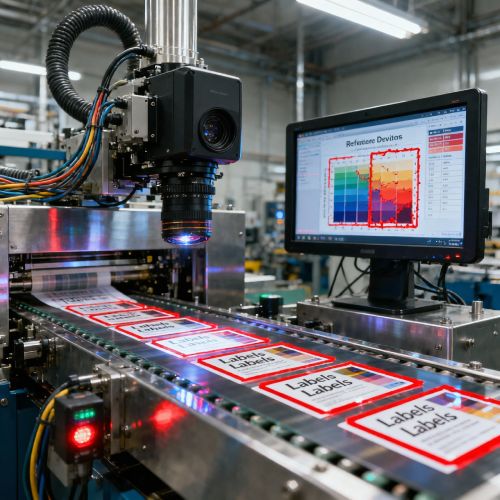
Bubbles or inclusions within the glass
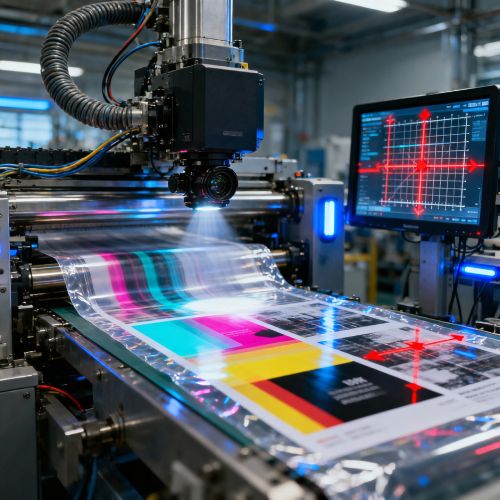
Surface contamination or residue

Structural Integrity Inspection

Detection of chips or edge defects

Identification of internal defects or material inclusions
Monitoring of surface distortions
Coating & Lamination Inspection

Detection of coating irregularities

Verification of coating uniformity

Identification of defects affecting optical clarity
These inspections ensure that glass materials meet strict quality and performance standards required for industrial and consumer applications.
System Architecture
Scalable System for Efficient Glass Quality Control
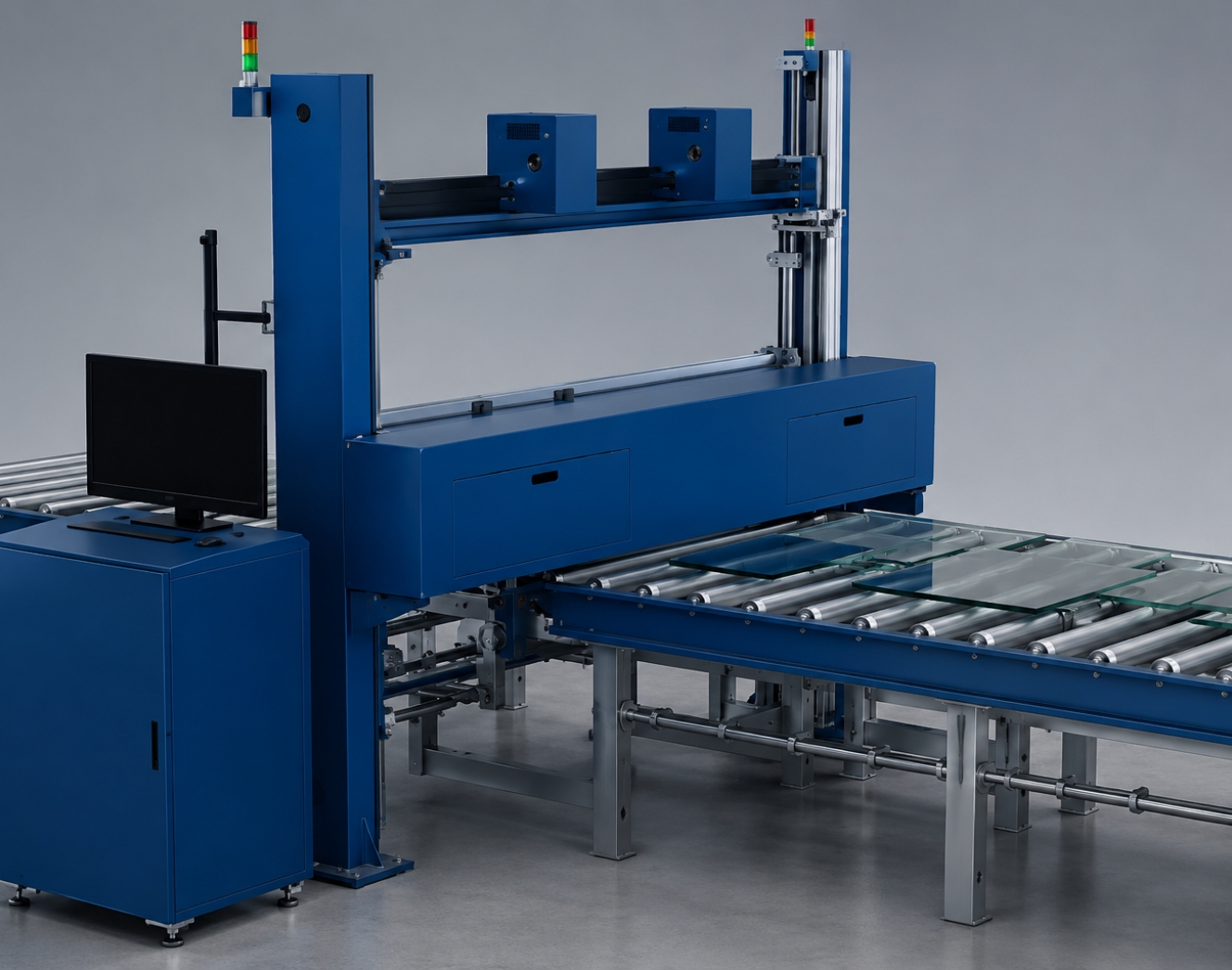
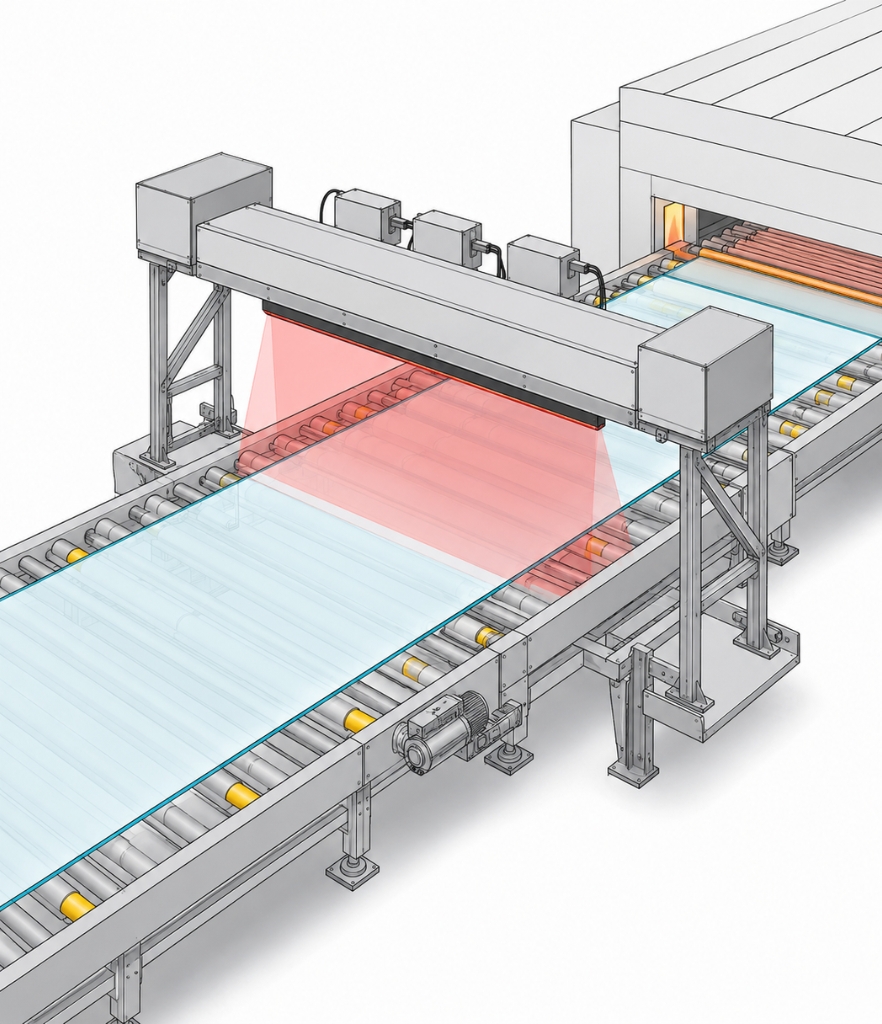
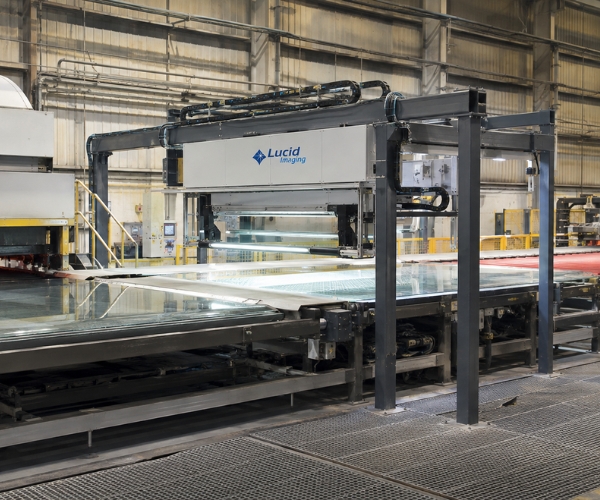
The Glass Surface Inspection System is designed for continuous inspection in glass manufacturing and processing environments.

Line-Scan Camera Modules
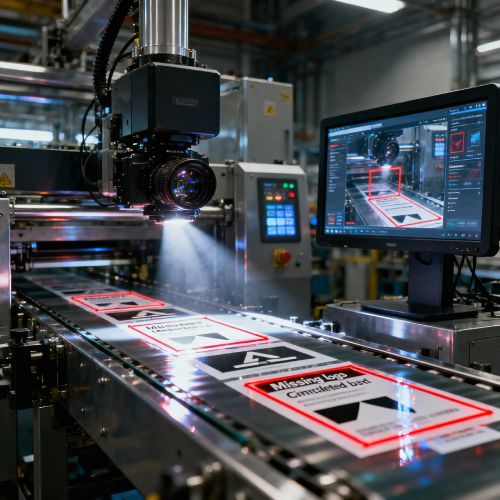
High-resolution line-scan cameras capture detailed images of moving glass surfaces or glass sheets.

Precision Illumination System
Specialized lighting systems are used to highlight subtle surface defects, inclusions, and coating variations on transparent or reflective glass surfaces.

Real-Time Image Processing Software
Advanced inspection software analyzes captured images in real time and detects defects based on predefined inspection parameters.

System Processing Unit
A high-performance processing system manages image acquisition, defect detection algorithms, and communication with the production line.

Operator Monitoring Station
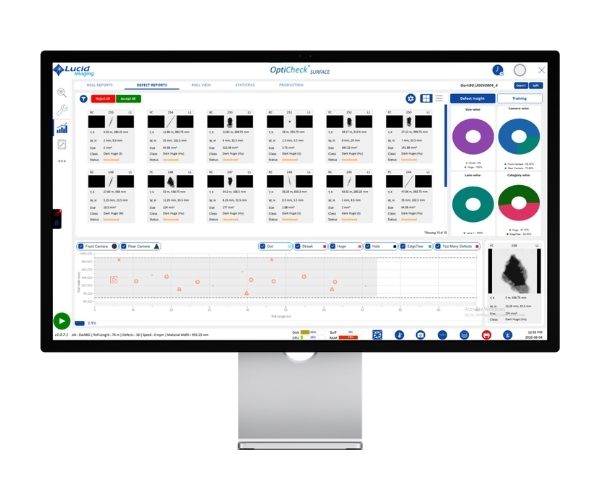
The operator interface allows production teams to monitor inspection results, review detected defects, and adjust inspection parameters.
Key System Capabilities
The Glass Surface Inspection System provides capabilities designed for glass manufacturing environments:
- Continuous inspection of glass surfaces during production
- Detection of scratches, cracks, and inclusions
- Monitoring of coating quality and optical clarity
- Automated defect classification and reporting
- Real-time alerts for production issues
- Statistical monitoring of glass production quality
These capabilities allow manufacturers to maintain consistent glass quality and stable production processes.
Integration with Glass Production Lines
The inspection system integrates with glass manufacturing and processing equipment.
Typical integration features include:
- Installation of camera modules along the glass production line
- Synchronization with conveyor or production line movement
- Communication with glass processing control systems
- Automatic tracking or marking of detected defects
This integration allows inspection to operate seamlessly within glass manufacturing workflows.
Operator Interface & Workflow
The operator interface provides tools for monitoring inspection results and maintaining glass production quality.
Key features include:
- Real-time visualization of inspected glass surfaces
- Defect image display and classification
- Configurable inspection parameters and thresholds
- Defect mapping across glass sheets or panels
- Production statistics and inspection reports
Operators can quickly identify defect patterns and adjust production parameters to maintain stable glass quality.
Benefits
Key Advantages of Automated Glass Surface Inspection
Implementing a Glass Surface Inspection System provides several advantages for glass manufacturers:
01
Early detection of defects during glass production
02
Improved monitoring of coating and processing operations
03
Reduced waste and defective glass products
04
Improved consistency of glass materials
05
Enhanced quality assurance for downstream applications
By inspecting glass surfaces continuously during production, manufacturers can ensure that only high-quality glass proceeds to architectural, automotive, electronic, or industrial applications.
Get the Full Guide
Glass Surface Quality Control
Download the PDF to explore how our system detects surface defects and ensures consistent glass quality.