
Lucid Imaging

+91 802 244 8252

Connect on
Cosmetic Inspection

Cosmetic Inspection

Automated Surface Quality Inspection for Defect-Free Components

In precision manufacturing, product quality is determined not only by dimensional accuracy but also by surface appearance and finish quality. Components used in industries such as automotive, consumer electronics, medical devices, and industrial equipment must meet strict cosmetic standards to ensure both functionality and visual quality.

Manufacturing processes such as machining, casting, molding, polishing, coating, or surface finishing can introduce cosmetic defects on component surfaces. Defects such as scratches, dents, stains, surface marks, coating defects, or contamination can negatively impact product quality and may lead to rejection during final inspection.

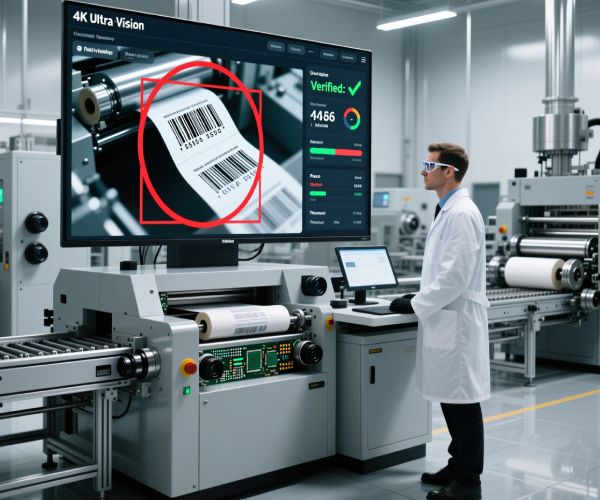
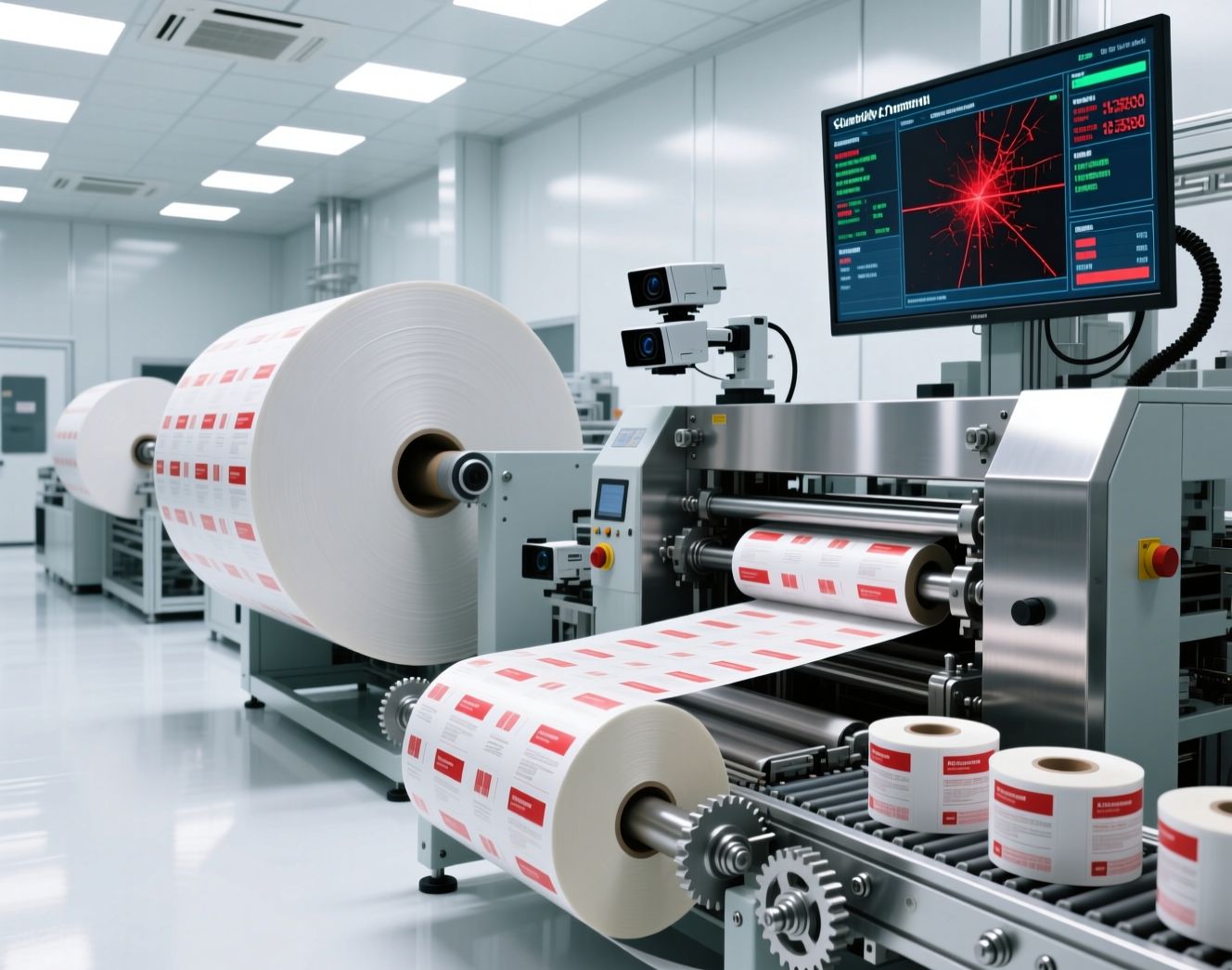
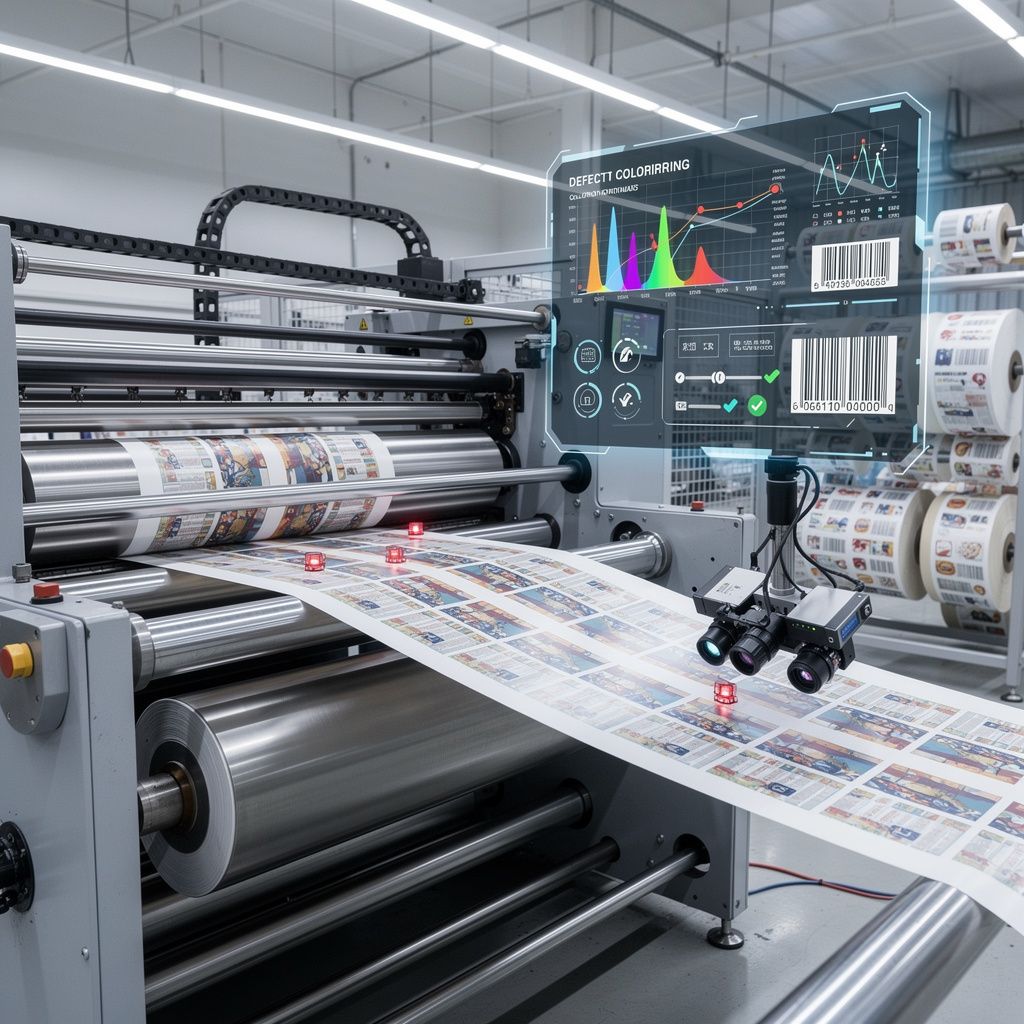
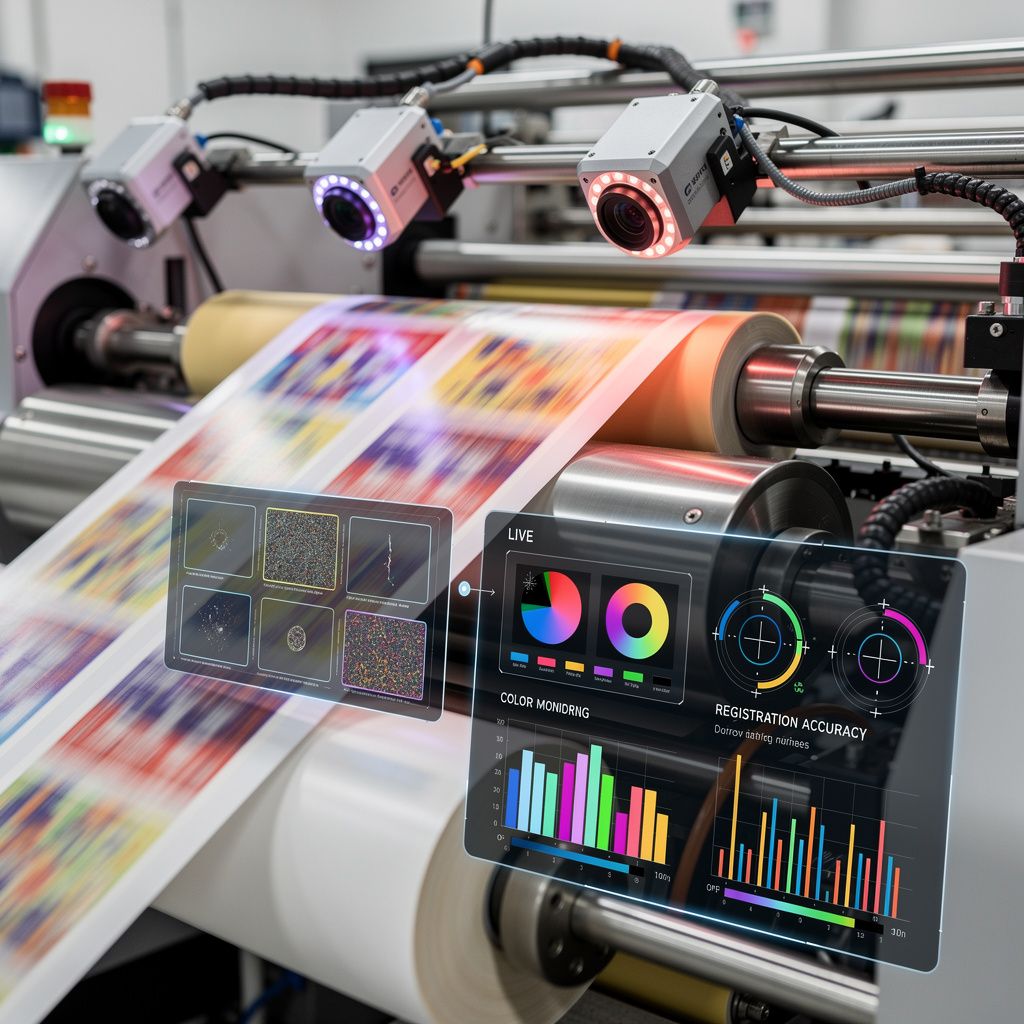
Lucid Imaging provides machine vision solutions designed for automated cosmetic inspection of manufactured components. These systems analyze component surfaces and detect visual defects in real time, enabling manufacturers to maintain high-quality production standards and reduce manual inspection efforts.

By implementing automated cosmetic inspection, manufacturers can ensure that only components meeting the required visual quality standards proceed to final assembly or packaging.

inspection systems

Where This Inspection Is Used

Cosmetic inspection systems are used in precision manufacturing environments where component appearance and surface quality are critical.

Typical inspection applications include:

Inspection Applications

Deployment Areas

Automated cosmetic inspection helps manufacturers maintain consistent surface quality across high-volume production lines.

Inspection Scope

Comprehensive Surface and Finish Quality Verification

The Cosmetic Inspection System verifies surface appearance, finish quality, and structural integrity of component surfaces.

Typical inspection scope includes:

Surface Defect Detection

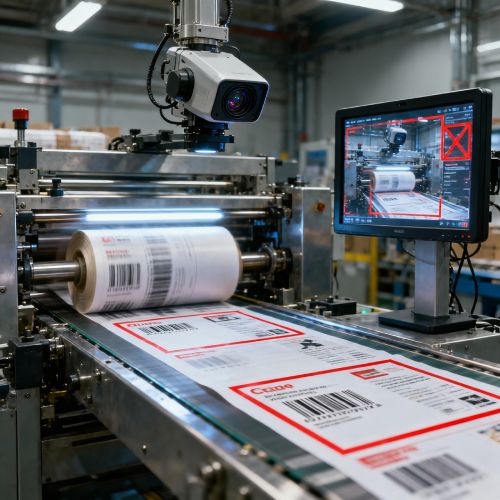
Scratches or abrasion marks
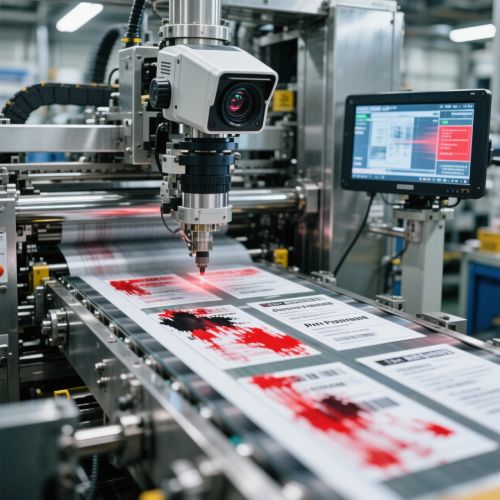
Dents or surface deformations
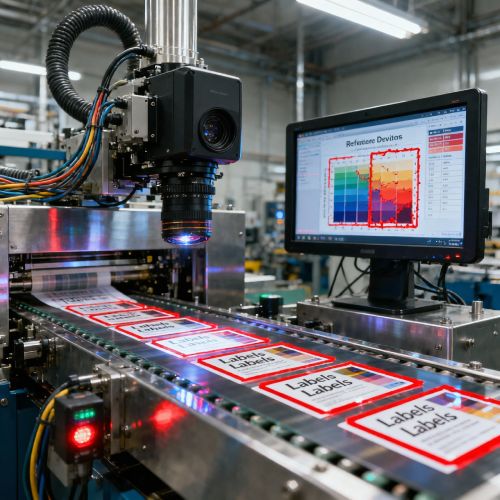
Stains or discoloration
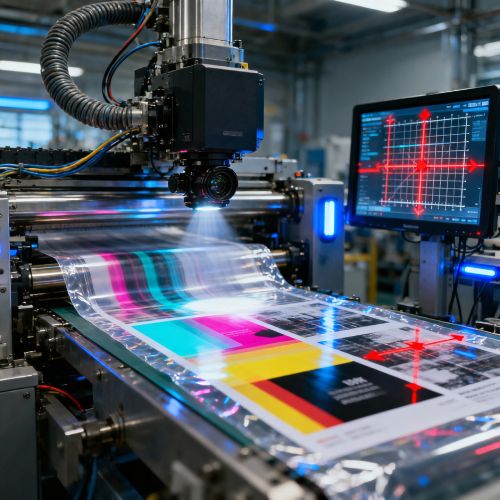
Contamination or foreign particles
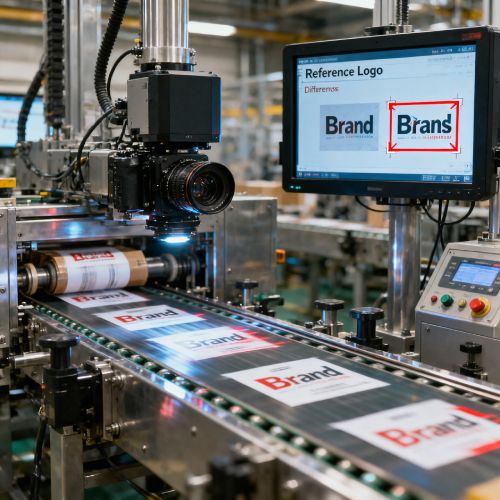
Surface Finish Verification

Inspection of polishing or machining marks
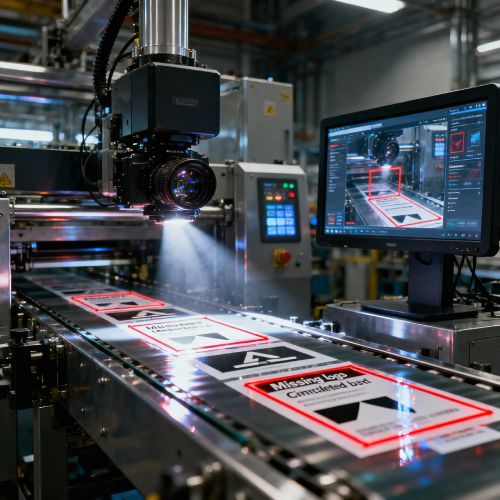
Verification of coating and finishing quality
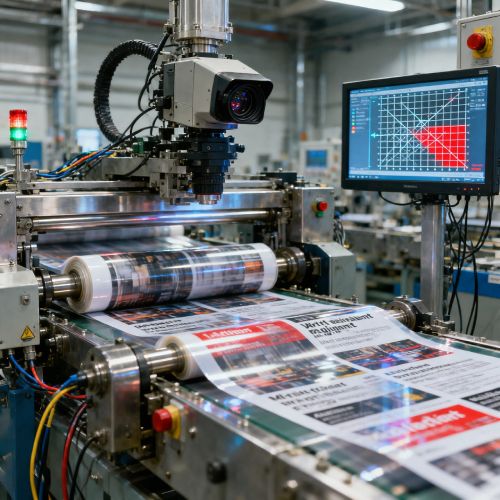
Detection of uneven surface texture

Structural Surface Inspection

Inspection of edges and corners for defects
Detection of cracks or material damage
Identification of surface imperfections affecting product quality

These inspections ensure that components meet strict visual quality standards required for high-quality manufactured products.

System Architecture

Advanced Imaging and Lighting for Surface Defect Detection

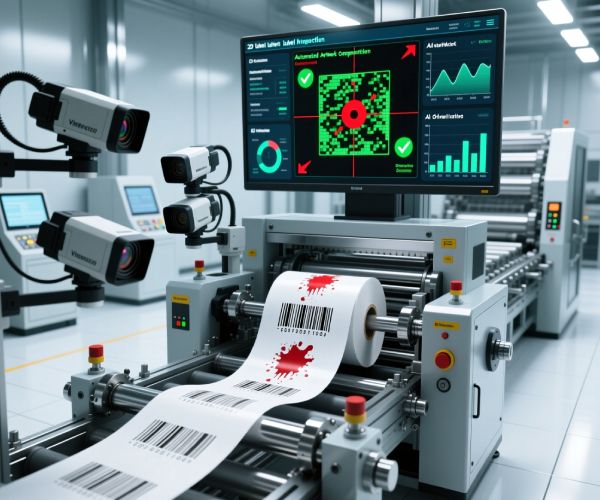
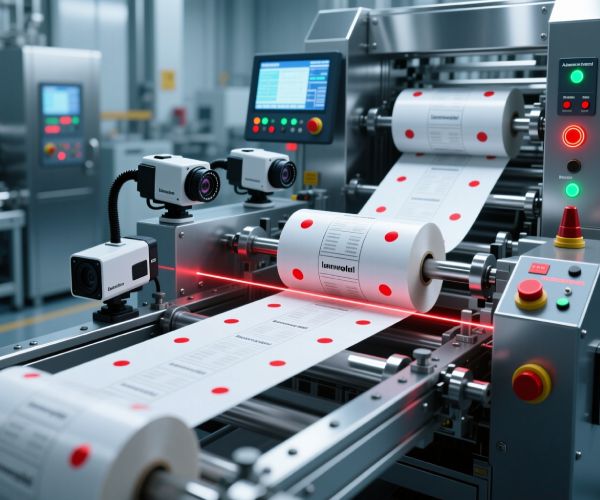
The Cosmetic Inspection System is designed for high-accuracy surface inspection in precision manufacturing environments.

High-Resolution Industrial Cameras

High-resolution cameras capture detailed images of component surfaces to detect even small visual defects.

Advanced Illumination System

Specialized lighting techniques highlight surface irregularities, scratches, dents, and texture variations.

Image Processing Software

Advanced machine vision algorithms analyze captured images and identify cosmetic defects based on predefined inspection criteria.

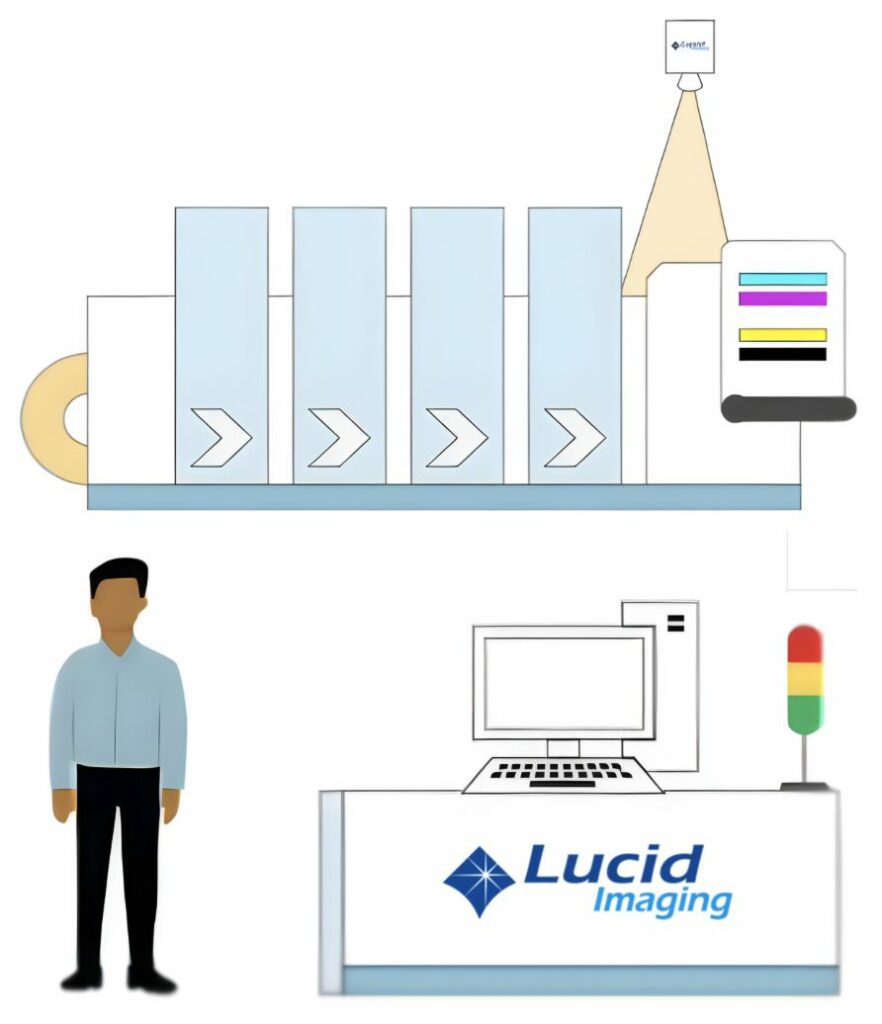
System Processing Unit

A high-performance processing system manages image acquisition, defect detection algorithms, and communication with production equipment.

Operator Monitoring Interface

The operator interface allows production teams to monitor inspection results, review detected defects, and configure inspection parameters.
Key System Capabilities

The Cosmetic Inspection System provides capabilities designed for high-quality manufacturing environments:

These capabilities allow manufacturers to maintain consistent cosmetic quality across large production volumes.

Integration with Manufacturing Lines

The inspection system integrates with precision manufacturing production lines and inspection stations.

Typical integration features include:

This integration enables cosmetic inspection to become a standard quality control step in manufacturing processes.

Operator Interface & Workflow

The operator interface provides tools for monitoring inspection results and managing cosmetic quality.

Key features include:

Operators can quickly identify cosmetic defects and maintain stable production quality.

Benefits

Enhanced Surface Quality and Inspection Efficiency

Implementing a Cosmetic Inspection System provides several advantages for manufacturers:

01

Improved detection of surface defects during production

02

Reduced reliance on manual visual inspection

03

Improved consistency of product appearance

04

Reduced rejection rates and quality complaints

05

Enhanced quality assurance for finished components

By verifying surface appearance during production, manufacturers can ensure that only components meeting strict cosmetic quality standards proceed to final assembly or shipment.

Get the Full Guide

Cosmetic Inspection Overview

Get detailed insights into detecting surface defects such as scratches, dents, and blemishes in precision-manufactured components.