2D & 3D Dimensional Measurement Inspection
Accurate Dimensional Inspection for Precision Manufacturing
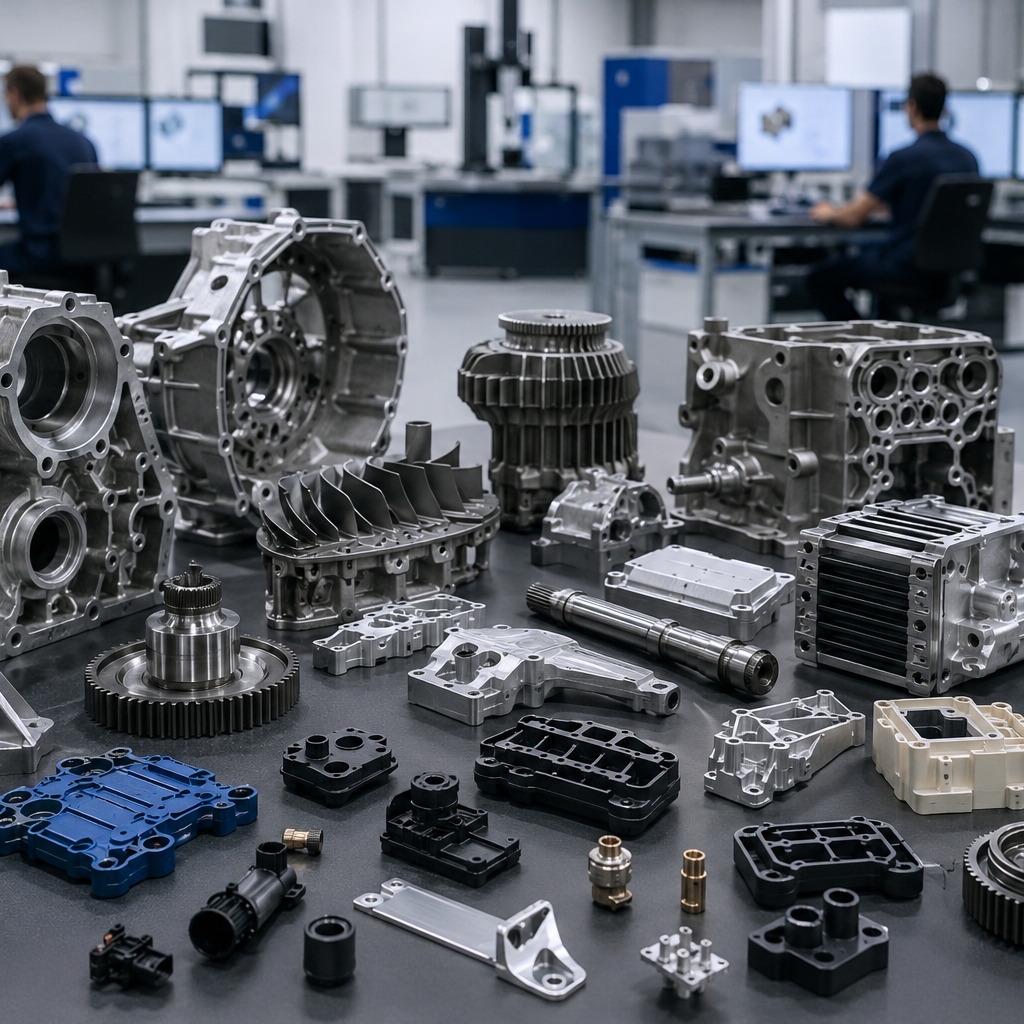
Precision manufacturing processes require extremely accurate control of component dimensions to ensure correct assembly, performance, and product reliability. Components produced through processes such as machining, die casting, metal injection molding (MIM), and injection molding must meet strict dimensional tolerances to function correctly in final products.
Even small deviations in component geometry can lead to assembly issues, mechanical failures, or reduced product performance. As manufacturing volumes increase and tolerances become tighter, automated dimensional inspection has become essential for maintaining consistent production quality.
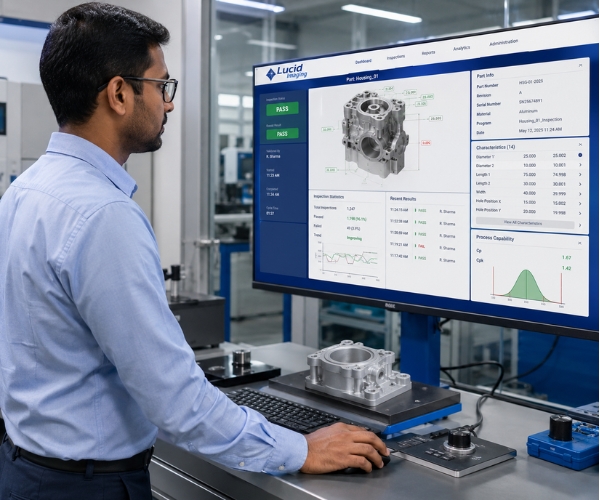
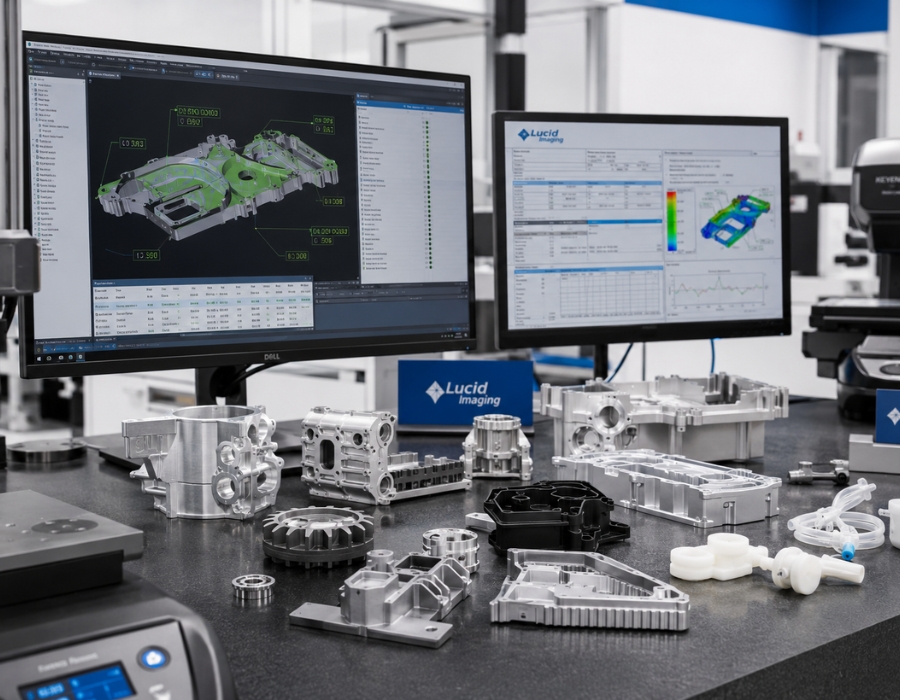
Lucid Imaging provides machine vision solutions designed for 2D and 3D dimensional measurement of manufactured components. These systems capture detailed geometric information and verify critical dimensions with high precision. By performing automated measurements during production, manufacturers can detect dimensional deviations early and maintain consistent product quality.
inspection systems
Where This Inspection Is Used
Dimensional measurement systems are used in precision manufacturing environments where components must meet strict dimensional specifications.
Typical inspection applications include:
Inspection Applications
- Measurement of machined metal components
- Inspection of metal injection molded (MIM) parts
- Dimensional verification of die-cast components
- Inspection of injection molded plastic parts
Deployment Areas
- Automotive manufacturing
- Aerospace and defense components
- Electronics and precision mechanical parts
- Industrial machinery components
Automated dimensional inspection helps manufacturers ensure that components meet design specifications and assembly requirements.
Inspection Scope
Comprehensive Verification of Dimensions, Features, and Tolerances
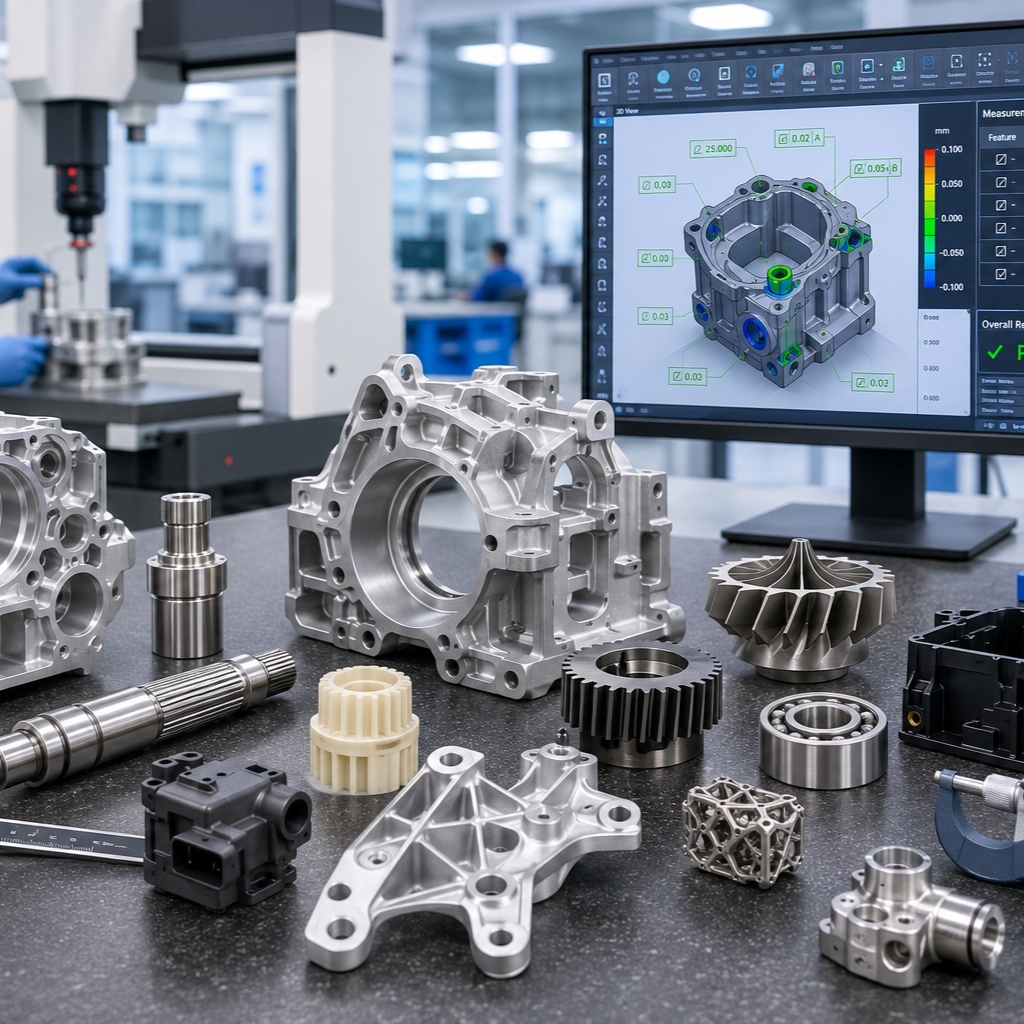
The 2D & 3D Dimensional Measurement System verifies component geometry, feature positioning, and dimensional accuracy.
Typical inspection scope includes:
Geometric Dimension Measurement

Measurement of component length, width, and thickness
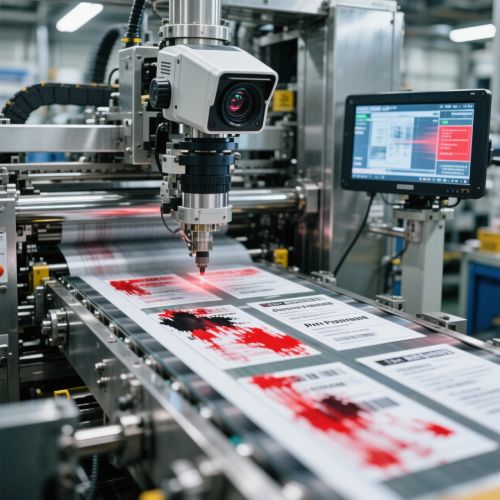
Verification of geometric features and profiles
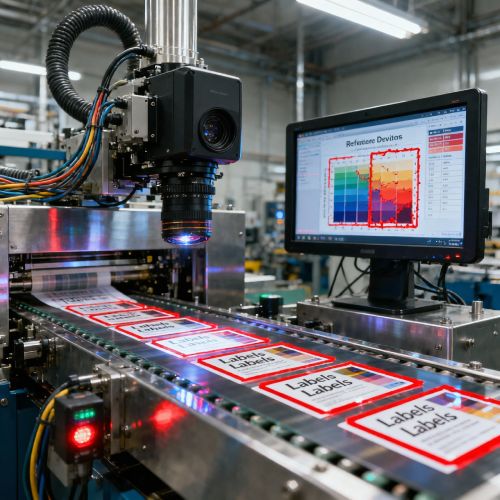
Detection of dimensional deviations from design specifications
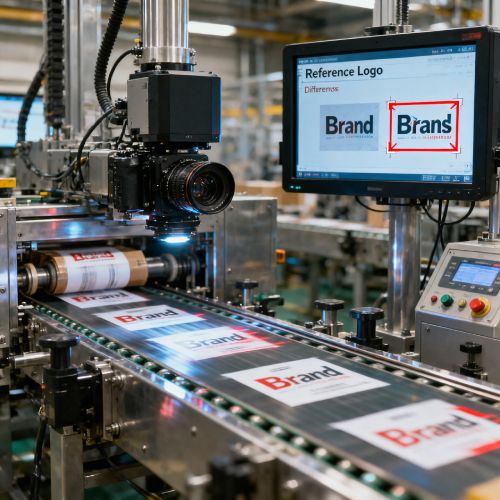
Feature Position Verification

Measurement of hole positions and diameters
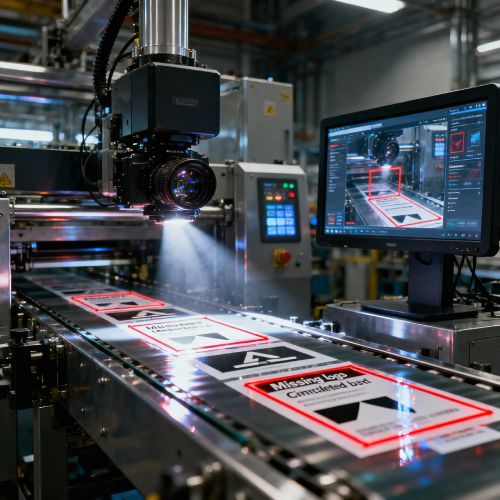
Verification of slot and cavity alignment
Inspection of mounting points and structural features
Tolerance Verification

Comparison of measured dimensions with predefined tolerances

Detection of parts outside acceptable tolerance limits

Monitoring of dimensional variations across production batches
These inspections ensure that manufactured components meet required precision and assembly standards.
System Architecture
High-Precision Imaging and Measurement System Design
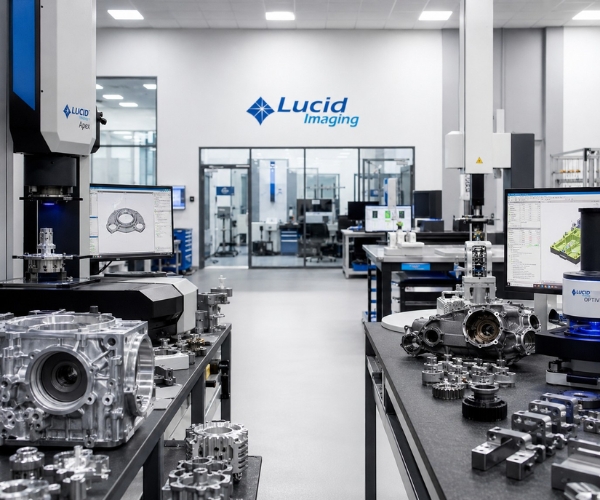
The Dimensional Measurement Inspection System is designed for high-precision inspection in industrial manufacturing environments.

High-Resolution Industrial Cameras
Industrial cameras capture detailed images of components for precise dimensional analysis.

3D Measurement Sensors
Advanced sensors such as 3D cameras or laser measurement systems capture depth information and component geometry.

Measurement & Analysis Software
Advanced machine vision software processes captured images and calculates dimensional measurements with high accuracy.

System Processing Unit
A high-performance processing system manages image acquisition, measurement algorithms, and communication with production equipment.

Operator Monitoring Interface
The operator interface allows production teams to monitor measurement results, review inspection data, and configure measurement parameters.
Key System Capabilities
The Dimensional Measurement System provides several capabilities designed for precision manufacturing environments:
- Automated measurement of component dimensions
- Verification of complex geometric features
- High-precision 2D and 3D dimensional inspection
- Detection of dimensional deviations from design tolerances
- Real-time inspection during production
- Statistical monitoring of manufacturing quality
These capabilities allow manufacturers to maintain tight dimensional control in high-precision production processes.
Integration with Manufacturing Lines
The inspection system integrates with precision manufacturing equipment and production workflows.
Typical integration features include:
- Installation in production lines or inspection stations
- Synchronization with conveyors or robotic handling systems
- Communication with manufacturing execution systems (MES)
- Automatic rejection or sorting of out-of-tolerance parts
This integration enables dimensional inspection to become a standard quality control step in precision manufacturing.
Operator Interface & Workflow
The operator interface provides tools for monitoring measurement results and maintaining production quality.
Key features include:
- Real-time visualization of inspected components
- Dimensional measurement display
- Configurable tolerance limits and inspection parameters
- Defect identification and reporting
- Statistical analysis of production quality
Operators can quickly identify dimensional deviations and adjust manufacturing parameters to maintain consistent product quality.
Benefits
Improved Accuracy, Consistency, and Quality in Manufacturing
Implementing a 2D & 3D Dimensional Measurement System provides several advantages for manufacturers:
01
Improved accuracy of component dimensions
02
Early detection of manufacturing deviations
03
Reduced production defects and assembly failures
04
Improved consistency across production batches
05
Enhanced quality control in precision manufacturing
By verifying component dimensions during production, manufacturers can ensure that only parts meeting strict tolerance requirements proceed to final assembly.
Get the Full Guide
Diffractive Security Solutions
Download the PDF to explore how DOE-based features provide high-level protection against counterfeiting.