Variable Data Inspection
Consistent Accuracy for Variable Data Production
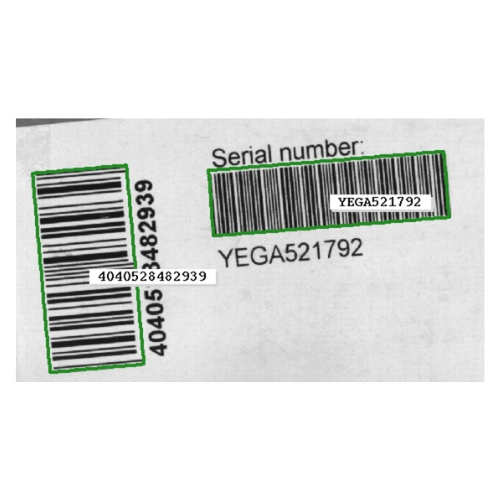
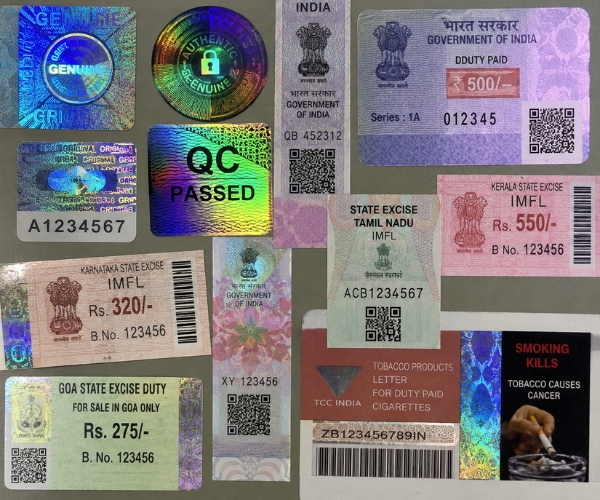
Variable Data Inspection (VDI) is a critical requirement in modern printing and packaging processes where each printed item carries unique, changing information. This includes elements such as serial numbers, barcodes, QR codes, batch numbers, expiry dates, and track & trace codes.
In industries such as pharmaceuticals, FMCG, food packaging, and security printing, the accuracy of variable data is essential for regulatory compliance, traceability, and product authentication. Even a single incorrect, missing, or unreadable code can lead to product recalls, compliance failures, or supply chain disruptions.
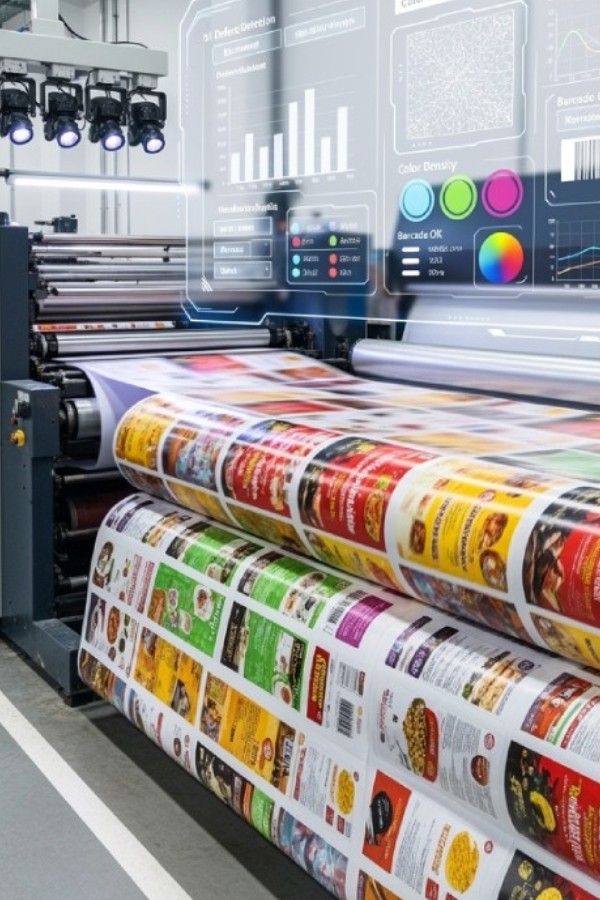
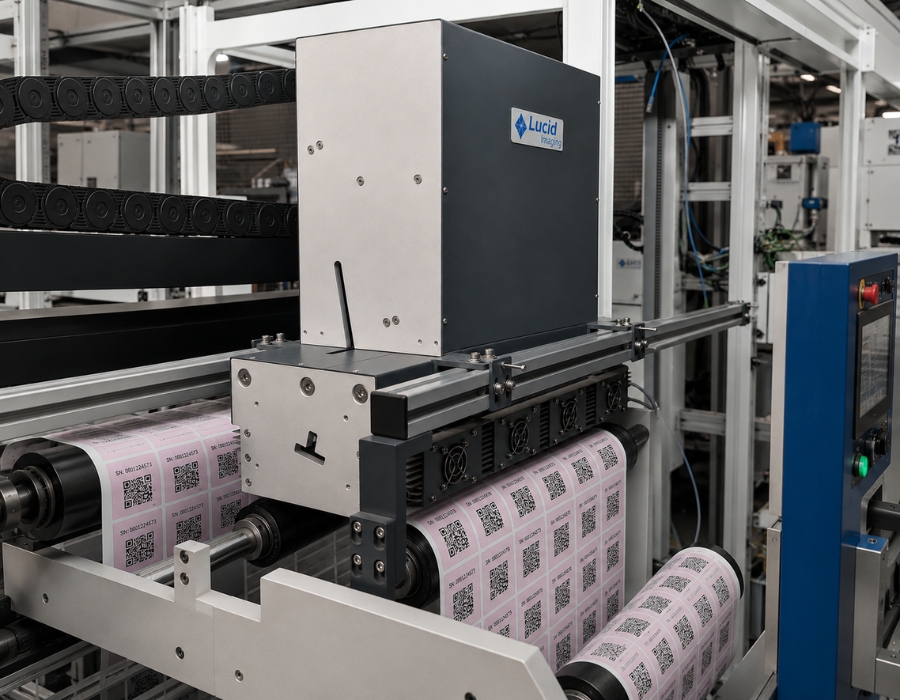
Lucid Imaging’s Variable Data Inspection System enables real-time verification of variable information during printing and production. The system ensures that every printed code, number, or identifier is accurate, readable, unique, and correctly positioned.
By combining high-speed imaging, OCR/OCV, and code verification technologies, the system provides complete control over variable data printing processes.
inspection systems
Where This Inspection Is Used
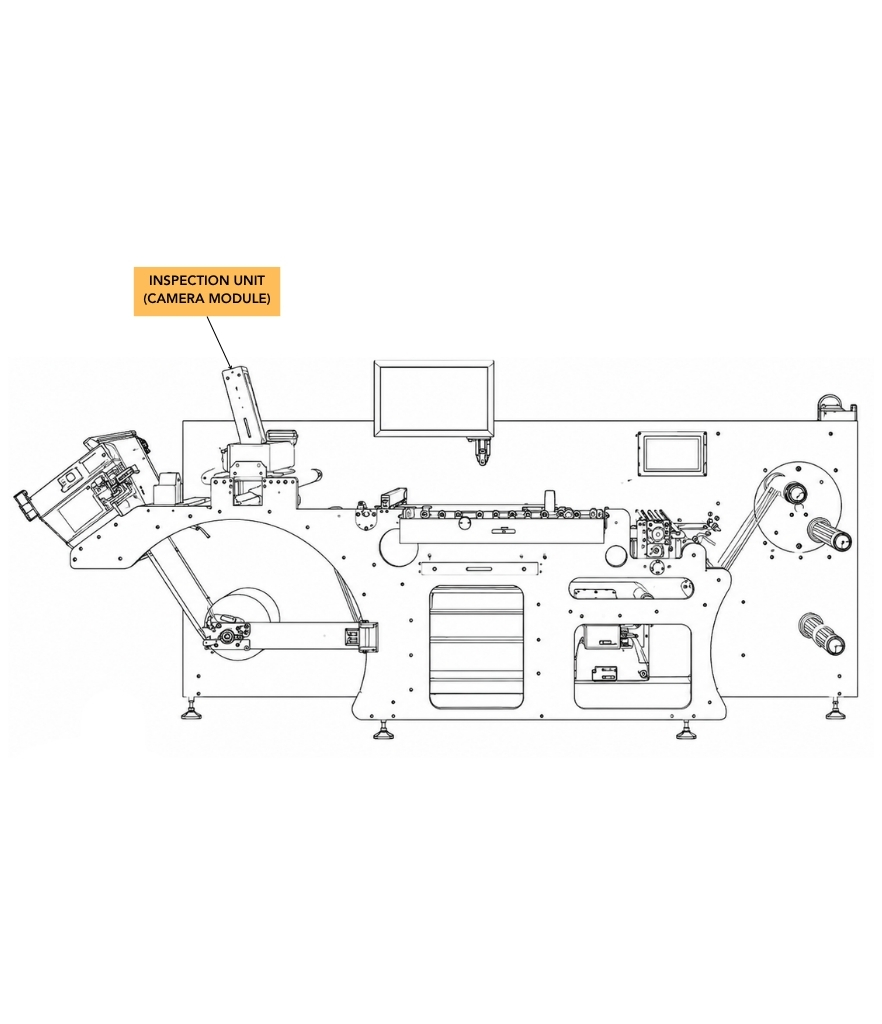
Variable Data Inspection is typically performed inline during the printing or coding process, where unique data is applied to each product or label.
Typical inspection applications include:
Inspection Applications
- Printing presses (labels, cartons, flexible packaging)
- Inkjet or laser coding systems
- Serialization and track & trace lines
- Packaging and labeling machines
Deployment Areas
- Ensure every printed code is accurate and readable
- Verify serialization sequences
- Detect missing or duplicate data
- Prevent non-compliant products from entering the supply chain
At this stage, the system captures images of printed items and verifies the correctness of variable data in real time.
Inspection Scope
Ensuring Accuracy, Code Readability, and Serialization Integrity
The Variable Data Inspection System verifies data accuracy, code readability, and sequence integrity.
Typical inspection scope includes:
OCR / OCV Verification

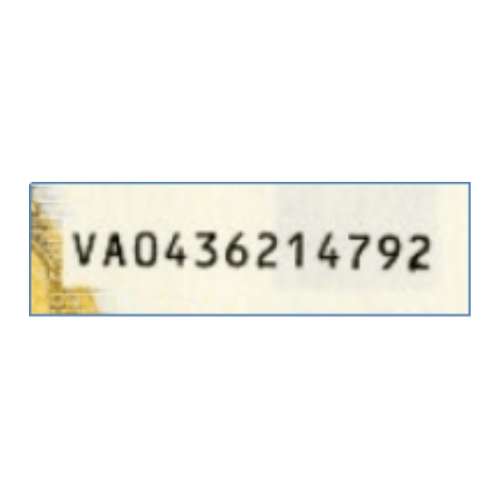
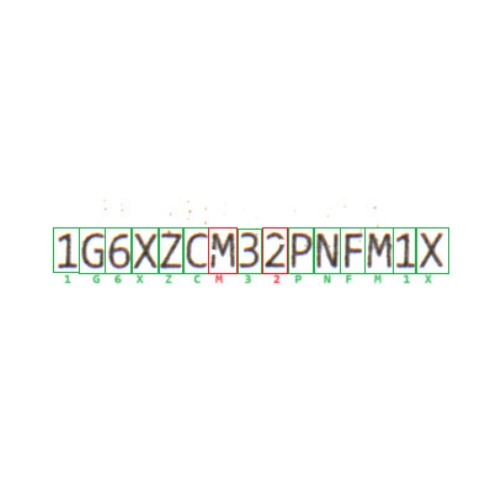
Reading and verification of printed text (batch, lot, expiry)

Detection of incorrect or missing characters

Verification of font, format, and alignment

Validation of human-readable information
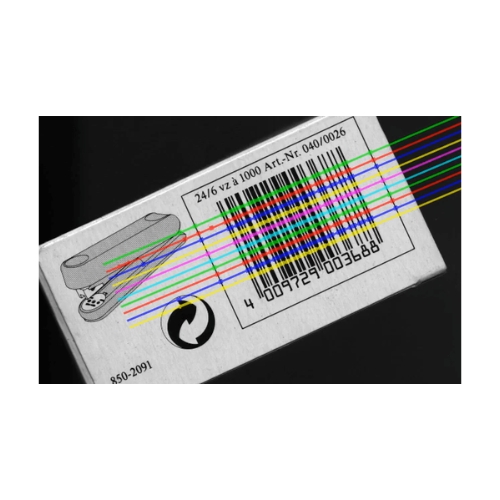
Barcode & 2D Code Verification

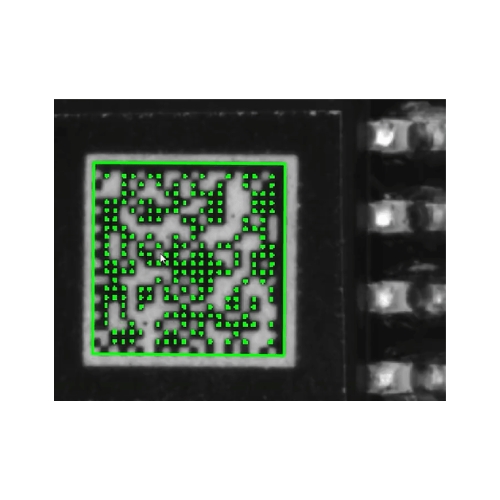
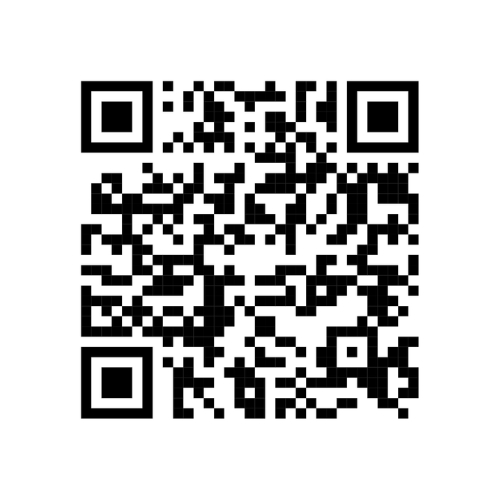
Decoding of barcodes and QR/DataMatrix codes

Verification of code readability and grading

Validation of encoded data

Detection of damaged or unreadable codes
Serialization & Sequence Verification

Verification of unique serial numbers

Detection of duplicate or missing codes

Sequence tracking and validation

Integration with serialization databases
Print Quality for Variable Data

Detection of smudged or broken characters

Inkjet or laser print quality verification

Contrast and readability checks
These inspections ensure that all variable data complies with regulatory and traceability requirements.
System Architecture
High-Speed Design for Accurate and Data-Intensive Inspection
The Variable Data Inspection System is designed for high-speed, data-intensive inspection environments.

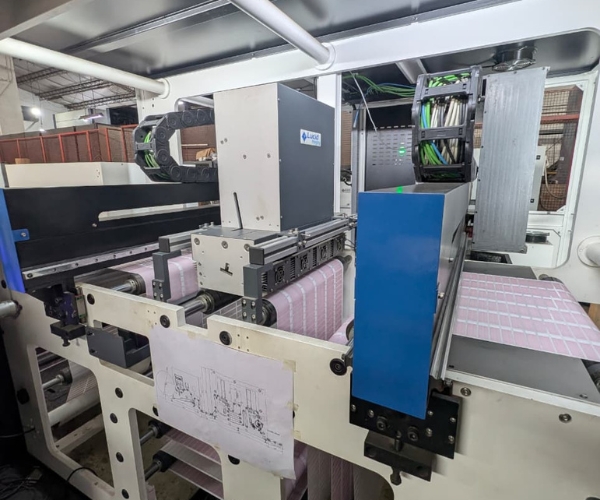
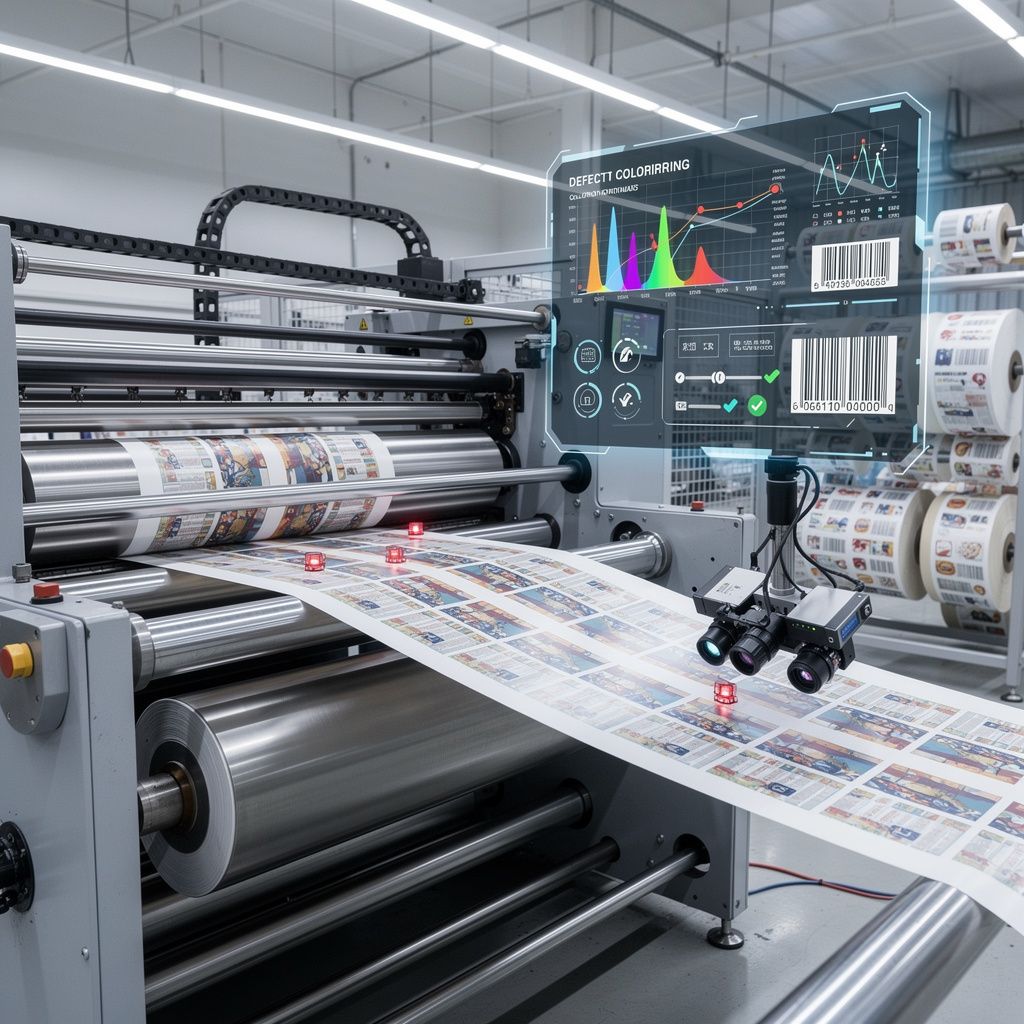
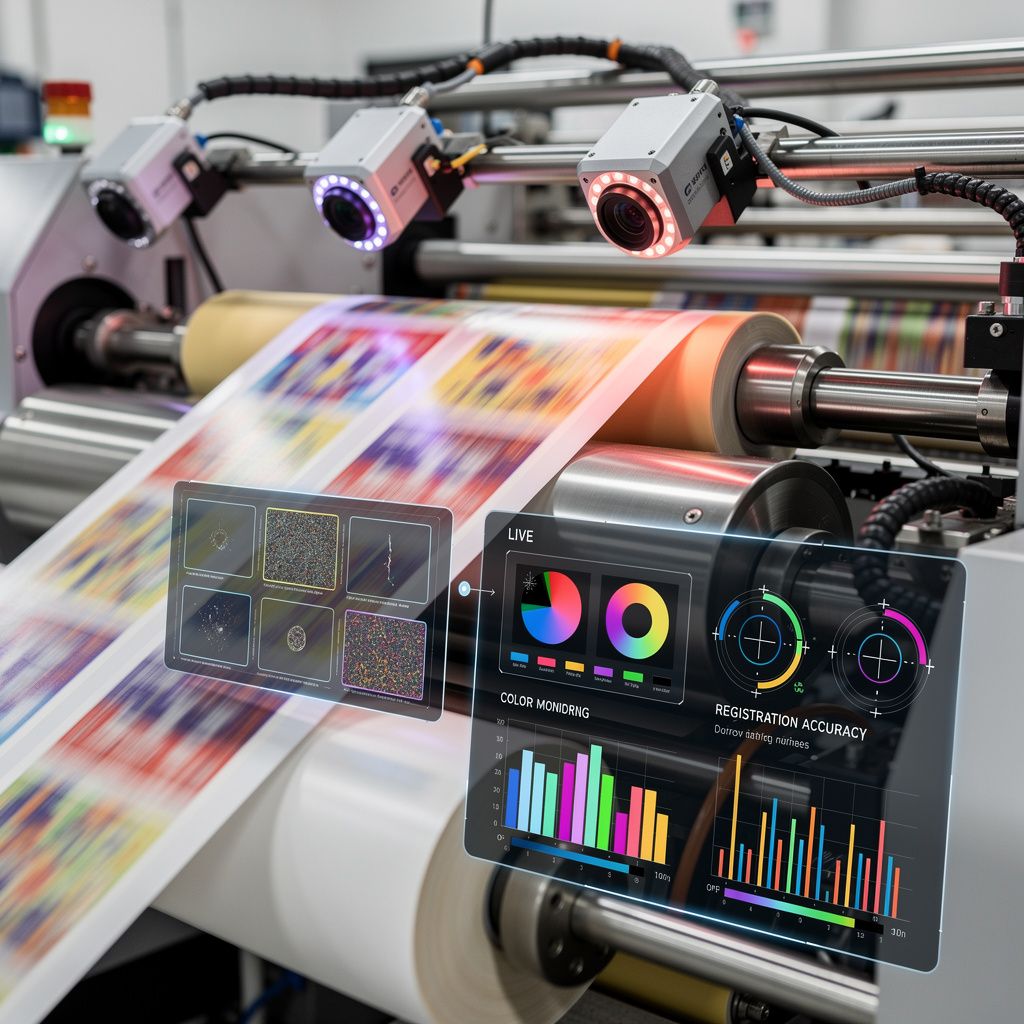
High-Speed Industrial Camera
High-resolution Line Scan camera capture images of each printed item or label at production speeds.

Precision Illumination System
Optimized lighting ensures clear visibility of printed codes and text, even on reflective or complex surfaces.

OCR / OCV Engine
Advanced algorithms read and verify printed characters with high accuracy.

Code Reading & Verification Module
Dedicated tools decode and validate barcodes, QR codes, and DataMatrix codes.

Serialization & Data Interface
The system integrates with serialization databases and production systems to validate code sequences and uniqueness.

System Processing Unit
A high-performance processing system handles real-time image processing and data validation.

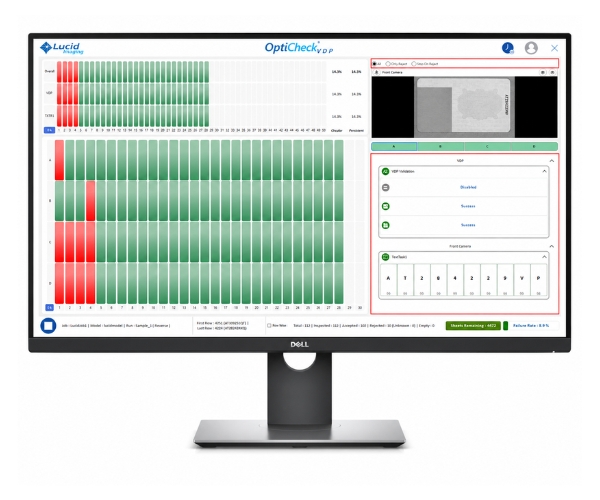
Operator Interface
The interface allows operators to monitor inspection results, view rejected items, and configure inspection parameters.
Key System Capabilities
The Variable Data Inspection System provides capabilities designed for regulated and high-speed production environments:
- Real-time verification of variable data during printing
- OCR / OCV inspection of text fields
- Barcode and 2D code verification and grading
- Serialization and sequence validation
- Detection of missing, duplicate, or incorrect data
- Defect image recording and reporting
- Integration with track & trace systems
These capabilities ensure complete control over data accuracy and product traceability.
Integration with Production Lines
The system integrates with printing, coding, and packaging lines.
Typical integration features include:
- Synchronization with printing or coding systems
- Integration with serialization and track & trace software
- Communication with PLCs and production control systems
- Automated rejection of non-compliant products
This allows seamless operation within existing production workflows.
Operator Interface & Workflow
The operator interface provides a clear view of inspection results and system performance.
Key features include:
- Real-time display of inspected codes and text
- OCR and barcode verification results
- Defect highlighting and rejection tracking
- Configurable inspection rules and tolerances
- Reporting and audit trail generation
Operators can quickly identify issues and ensure compliance with production requirements.
Benefits
Ensuring Compliance, Traceability, and Accurate Code Verification
Implementing a Variable Data Inspection System provides several advantages:
01
Ensures compliance with serialization and regulatory requirements
02
Prevents incorrect or unreadable codes from reaching the market
03
Improves traceability across the supply chain
04
Reduces risk of product recalls and compliance failures
05
Enhances quality control in high-speed production environments
By verifying every printed code and variable element, manufacturers can ensure that each product is correctly identified, traceable, and compliant with industry standards.
Get the Full Guide
Variable Data Inspection Overview
Get detailed insights into inspecting and verifying variable data such as barcodes, serial numbers, and QR codes in real time.