



Lucid Imaging

+91 802 244 8252

Connect on

Cosmetic Inspection

Mobile Phone Middle Frame Inspection System - Cosmetic

The mobile phone middle frame forms the structural body of a smartphone and is often partially visible in the final device design. As a result, both structural accuracy and cosmetic appearance are critical for maintaining product quality and brand standards.

Manufacturing processes such as CNC machining, die casting, polishing, anodizing, and surface finishing can introduce cosmetic defects on the middle frame surface. Common issues include scratches, dents, stains, machining marks, or surface inconsistencies that may affect the final appearance of the smartphone.

Lucid Imaging’s Mobile Phone Middle Frame Inspection System – Cosmetic provides automated detection of surface defects on smartphone middle frames. Using advanced machine vision technology, the system analyzes the surface of each component and identifies cosmetic defects that may not be visible during manual inspection.

By performing automated inspection during production, manufacturers can ensure that only cosmetically acceptable components proceed to smartphone assembly.

Inspection Stage

Where This Inspection Is Used

Cosmetic inspection is typically performed after machining or surface finishing processes, before the component is sent for final assembly.

At this stage, the inspection system evaluates the surface condition of the middle frame to identify defects introduced during manufacturing or finishing operations.

This inspection enables manufacturers to:

Inspection Stage

Automated inspection helps maintain the high cosmetic standards required for consumer electronics products.

Inspection Scope

Surface Quality and Cosmetic Verification for Middle Frames

The Mobile Phone Middle Frame Cosmetic Inspection System verifies surface quality and visual appearance of the component.

Typical inspection scope includes:

Surface Defect Detection

Detection of scratches and dents
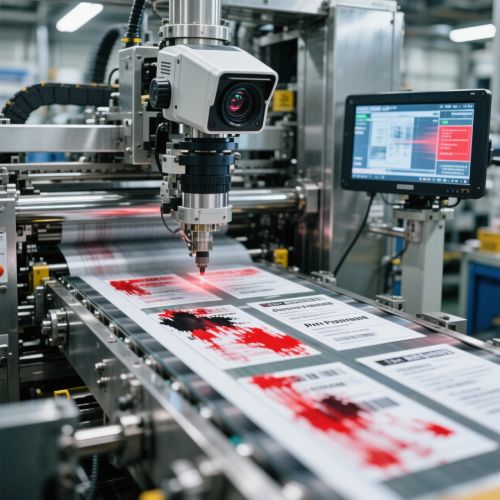
Identification of machining or polishing marks
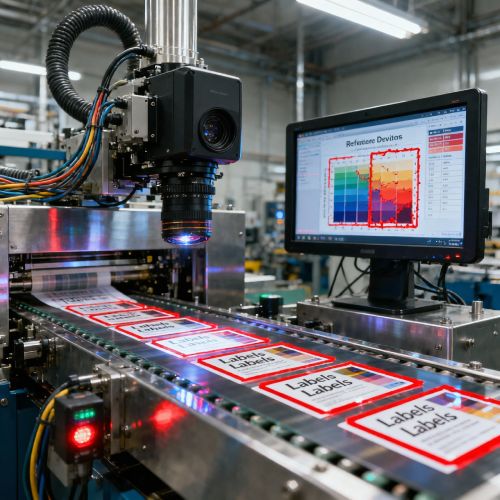
Detection of surface contamination or stains
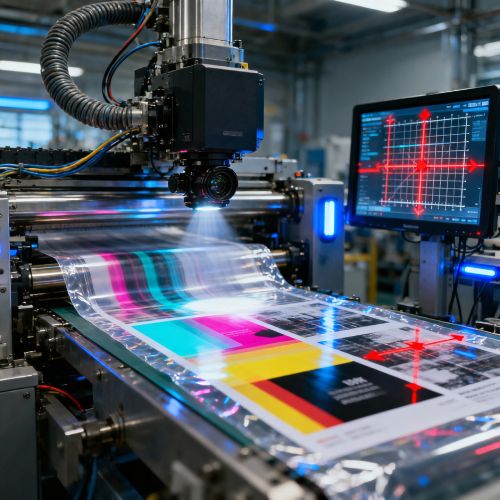
Identification of surface cracks or damage

Surface Consistency Verification

Inspection of uniform surface texture
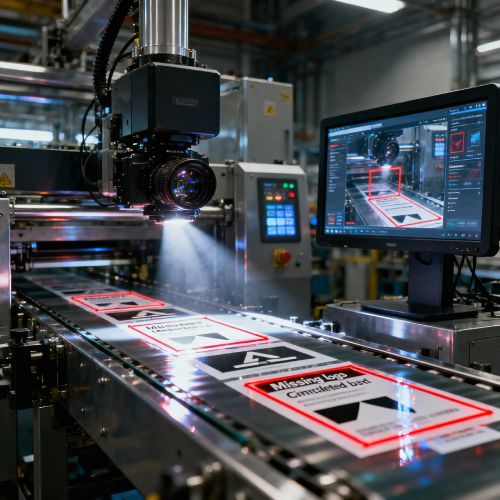
Detection of coating or finishing defects
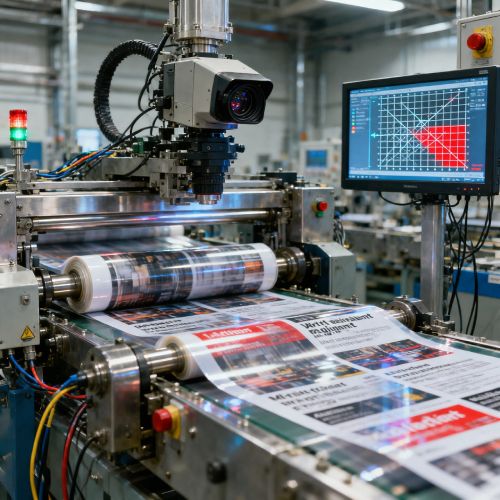
Verification of surface uniformity

Structural Surface Inspection

Inspection of edges and corners for defects
Verification of cosmetic quality in visible areas
Detection of structural surface imperfections


These inspections ensure that middle frame components meet the strict cosmetic quality standards required in smartphone manufacturing.

System Architecture

High-Accuracy Imaging and Analysis for Cosmetic Inspection

The Cosmetic Inspection System is designed for high-accuracy surface inspection in electronics manufacturing environments.

High-Resolution Industrial Cameras

Multiple high-resolution cameras capture detailed images of the middle frame surface from different angles.

Advanced Illumination System

Specialized lighting techniques are used to highlight surface imperfections such as scratches, dents, or texture variations.

Image Processing Software

Advanced machine vision algorithms analyze captured images and detect surface defects based on predefined quality criteria.

System Processing Unit

A high-performance processing system manages image acquisition, defect detection algorithms, and communication with the production line.

Operator Monitoring Interface

The operator interface allows production teams to monitor inspection results, review detected defects, and configure inspection parameters.

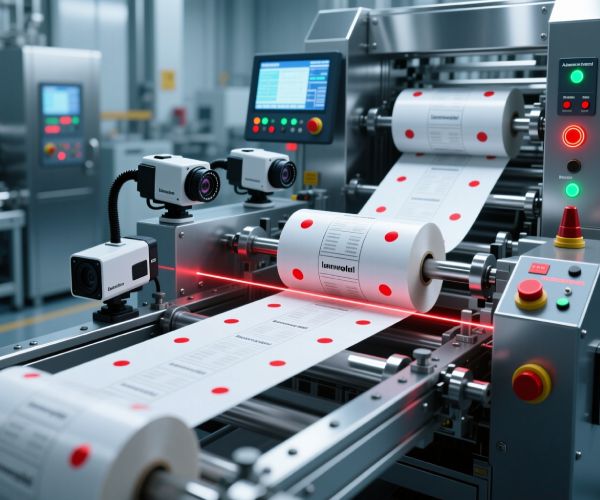
Key System Capabilities

The Mobile Phone Middle Frame Cosmetic Inspection System provides capabilities designed for high-volume consumer electronics manufacturing:

These capabilities enable manufacturers to maintain high cosmetic quality standards in smartphone production.

Integration with Smartphone Manufacturing Lines

The inspection system integrates with mobile phone component production and assembly lines.

Typical integration features include:

This integration allows cosmetic inspection to become a standard quality control stage in smartphone component manufacturing.

Operator Interface & Workflow

The operator interface provides tools for monitoring cosmetic inspection results and reviewing detected defects.

Key features include:

Operators can quickly identify cosmetic defects and ensure that only acceptable components continue through the manufacturing process.

Benefits

Enhanced Surface Quality and Inspection Efficiency for Smartphones

Implementing a Cosmetic Inspection System provides several advantages for smartphone manufacturers:

01

Improved detection of surface defects

02

Reduced manual inspection effort

03

Consistent cosmetic quality across production batches

04

Prevention of defective components entering final assembly

05

Enhanced monitoring of surface finishing processes

By verifying the cosmetic quality of middle frames during production, manufacturers can ensure that smartphones meet the high visual quality expectations of consumer electronics markets.

Get the Full Guide

Middle Frame Cosmetic Inspection

Get detailed insights into cosmetic inspection solutions that detect surface defects like scratches, dents, and blemishes.