
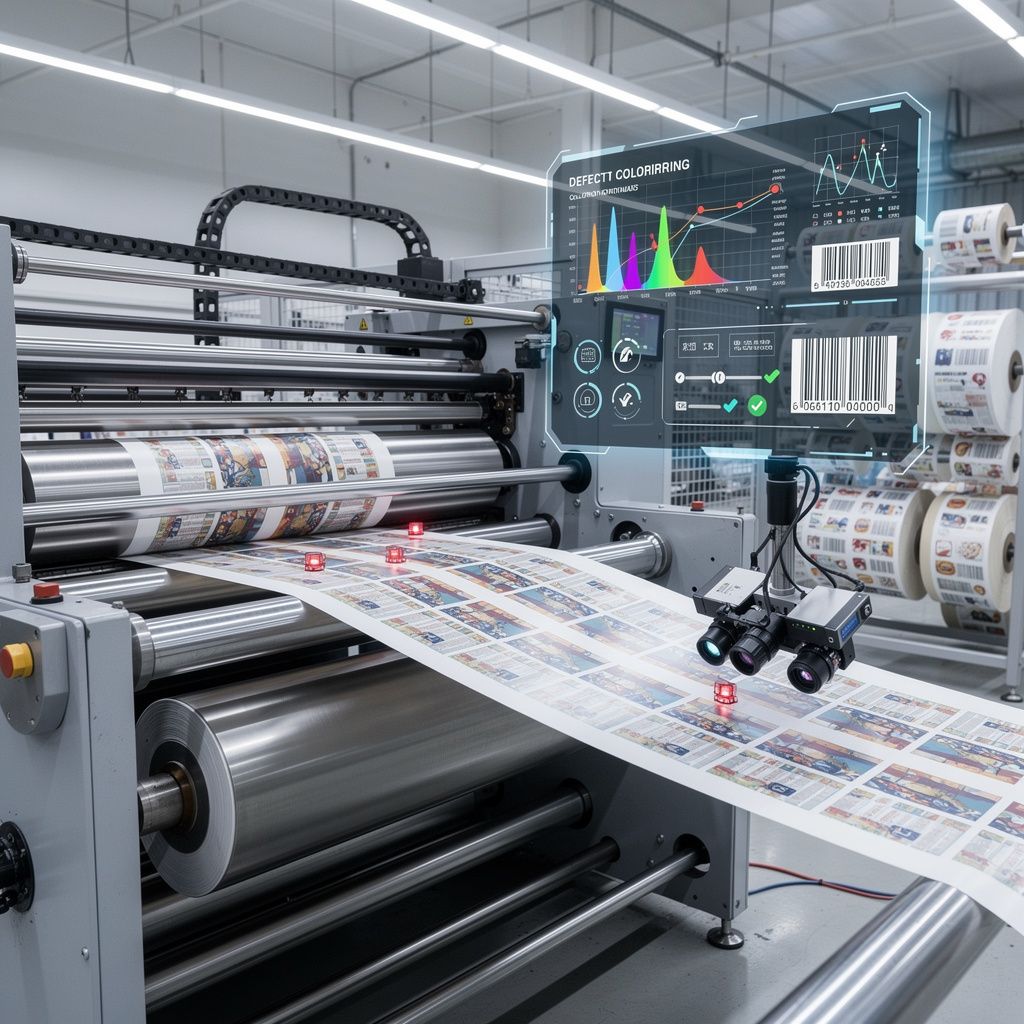
Precision Light Control with Diffractive Optical Elements
Diffractive Optical Elements (DOEs) are advanced optical components that precisely control light using micro-structured surface patterns. Unlike conventional optics that rely on refraction, DOEs manipulate light through diffraction, enabling highly accurate beam shaping, splitting, and image generation.
These elements are widely used in industrial, scientific, and security applications where precise light control and compact optical design are essential.
inspection systems
Where This Inspection Is Used
Diffractive Optical Elements (DOEs) are widely used across industries where precise light control, beam shaping, and advanced optical functionality are required.
Typical inspection applications include:
Inspection Applications
- Inspection of DOE patterns during manufacturing
- Verification of diffractive optical features and light distribution
- Inspection of DOE elements integrated into optical systems
- Quality control of micro-structured surfaces and diffraction efficiency
Deployment Areas
- DOE-based optical components in laser systems
- Structured light modules for 3D sensing devices
- Optical modules in consumer electronics and imaging systems
- Security and authentication elements using diffractive optics
This makes DOEs a powerful alternative to traditional optical systems, offering higher flexibility and compactness.
Inspection Scope
Comprehensive Verification of DOE Quality and Placement
DOEs are widely used across industrial processing, optical systems, and security applications, enabling precise laser operations, advanced imaging, and robust anti-counterfeiting through dynamic, hard-to-replicate visual features.
Typical inspection scope includes:
Industrial Applications

Laser material processing (cutting, drilling, welding)
Semiconductor and electronics manufacturing
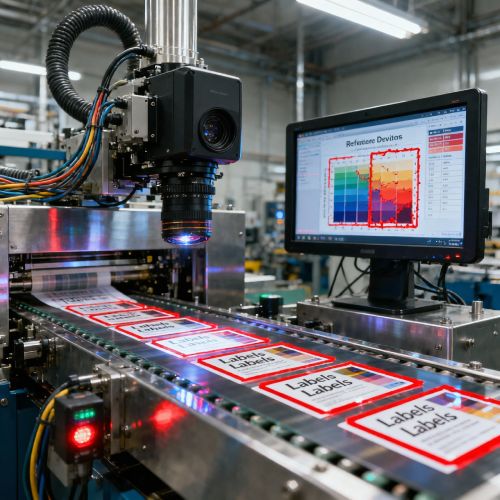
Surface inspection and metrology
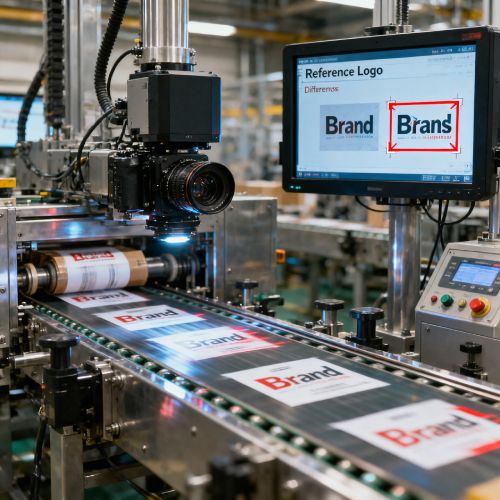
Optical & Imaging Systems

3D sensing and structured light systems
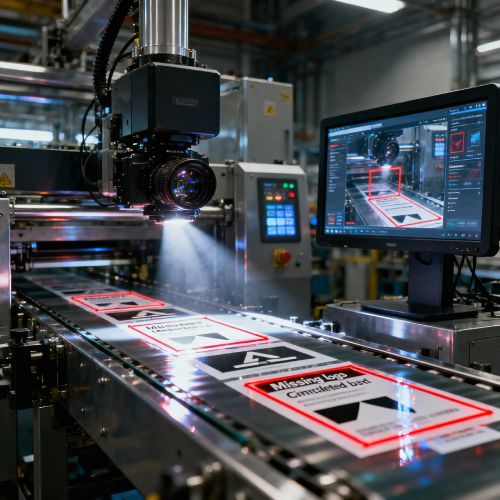
Beam shaping for imaging and projection
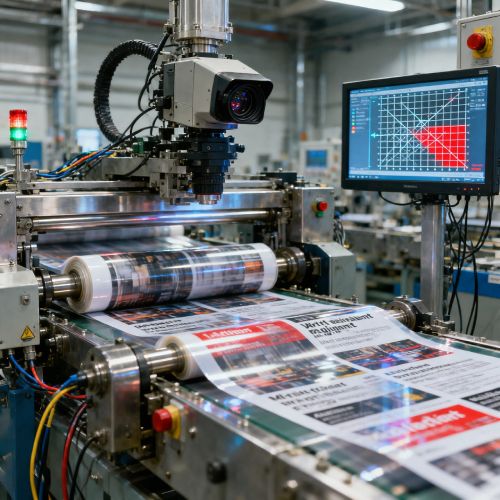
Optical testing and measurement
Security & Authentication

Banknotes and secure documents

Brand protection labels

ID cards and certificates
They can generate dynamic visual effects or hidden images that change with viewing angle, making them extremely difficult to replicate.
System Architecture
Advanced Imaging and Processing for DOE Inspection
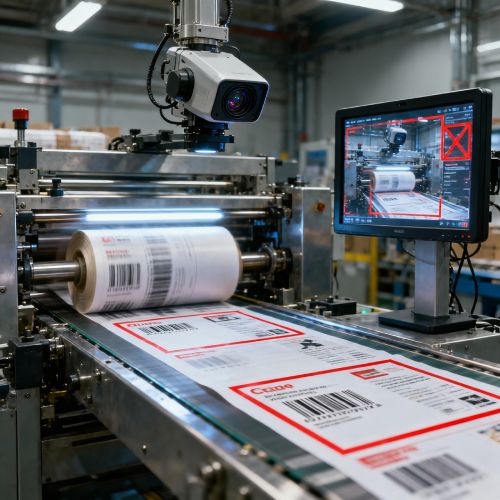
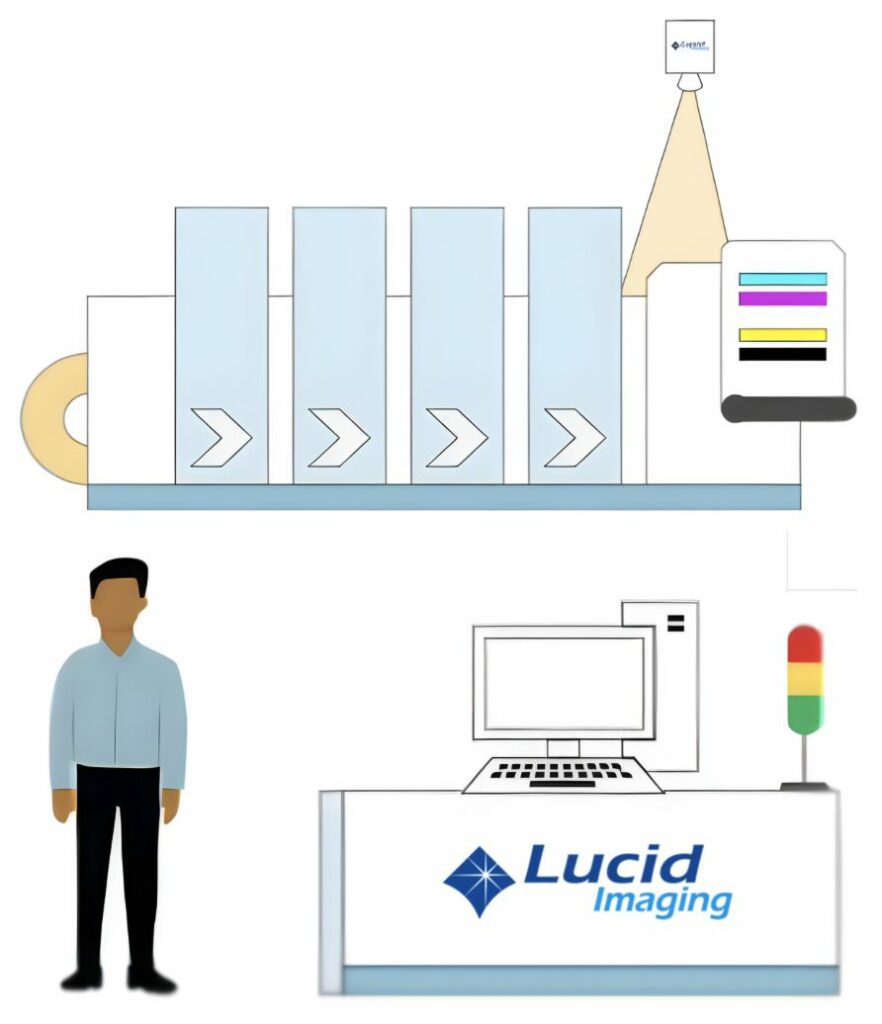
The Hologram Inspection System is designed for inspection of reflective and optically complex DOE materials.

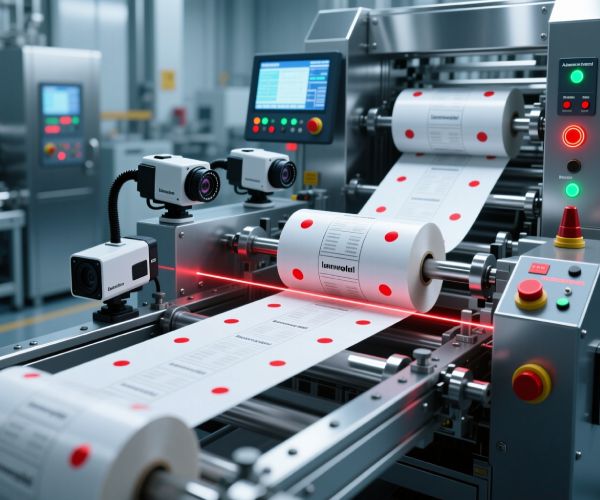
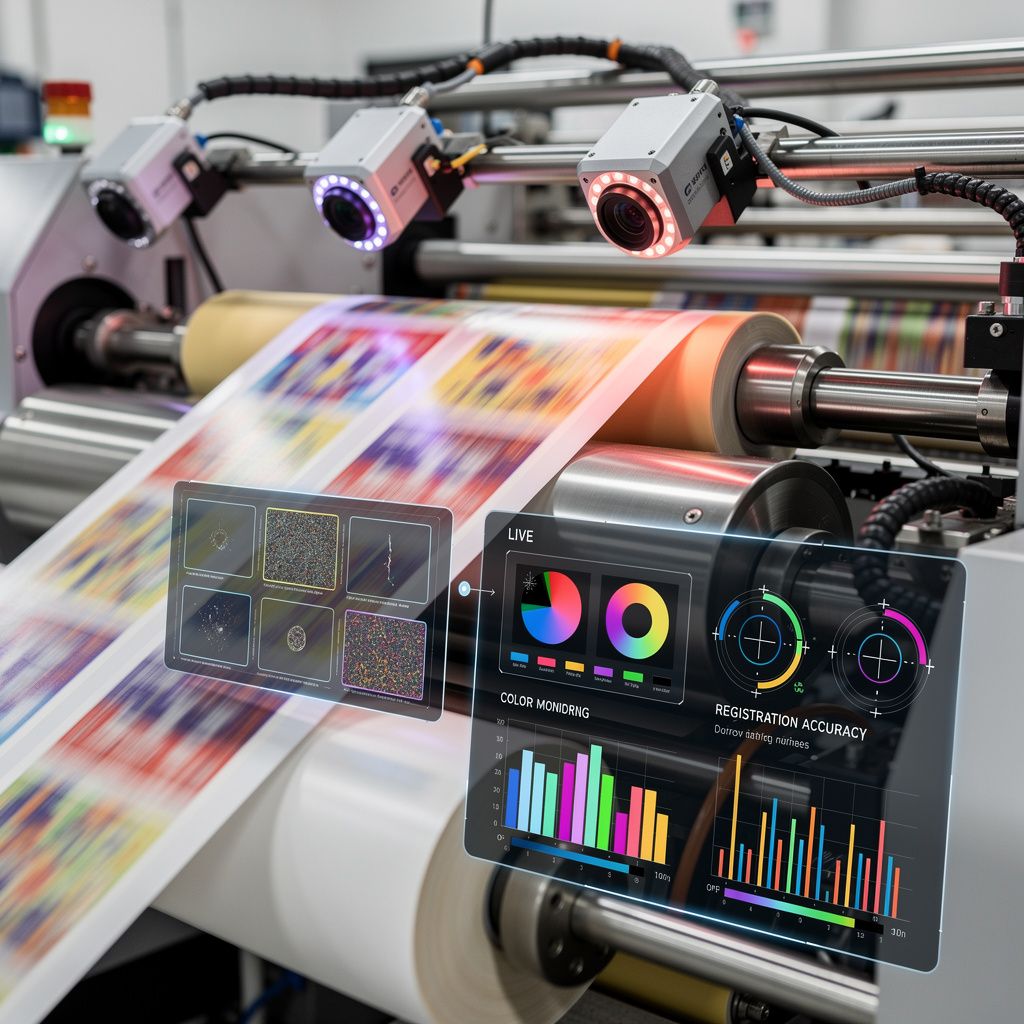
High-Resolution Industrial Cameras
High-resolution cameras capture fine microstructures of diffractive optical elements during production and inspection processes.

Specialized Illumination System
Controlled and wavelength-specific illumination enhances diffractive patterns and light distribution characteristics that are not visible under standard lighting.

Image Processing Software
Advanced vision algorithms analyze diffraction patterns, verify optical performance, and detect structural defects or deviations.

System Processing Unit
A high-performance processing unit manages image acquisition, pattern analysis, and real-time communication with the production system.

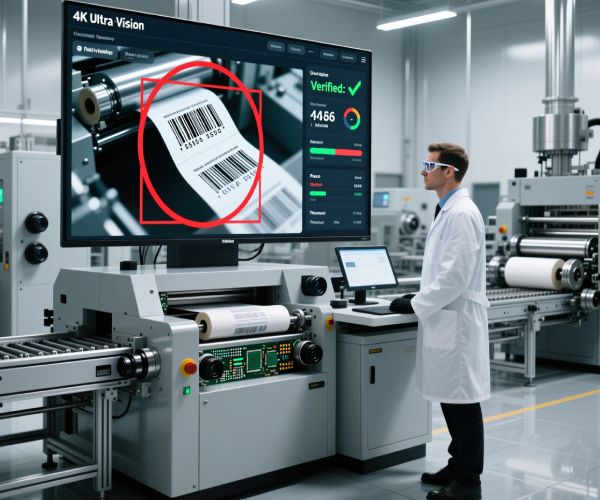
Operator Monitoring Interface
The operator interface enables monitoring of inspection results, visualization of diffraction patterns, defect review, and adjustment of inspection parameters.
Key System Capabilities
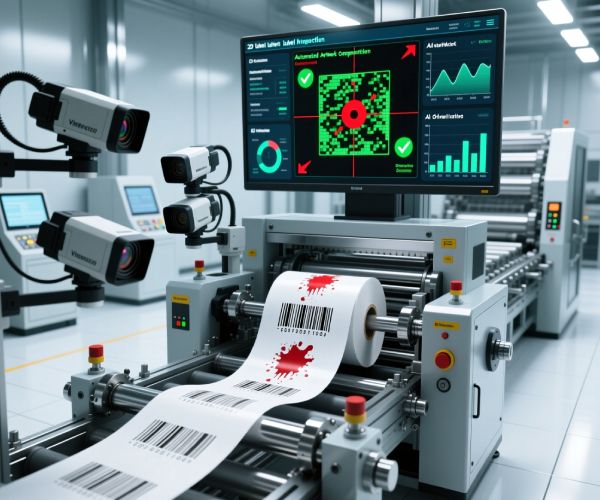
The Hologram Inspection System provides capabilities designed for security printing and authentication environments:
- Inspection of holographic security elements
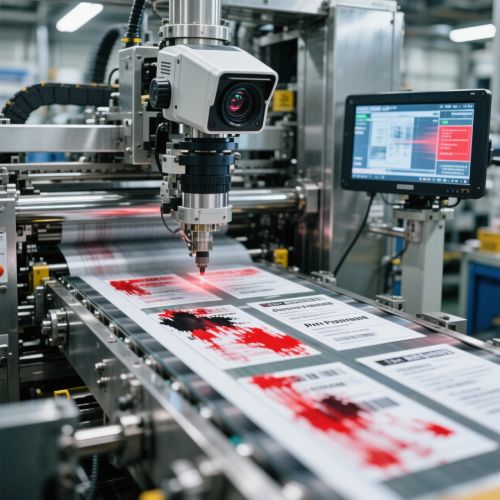
- Detection of defects in holographic patterns
- Verification of hologram placement and alignment
- Detection of surface damage or contamination
- Automated defect classification and reporting
- Real-time monitoring of hologram production quality
These capabilities help manufacturers maintain high-quality holographic security features for authentication applications.
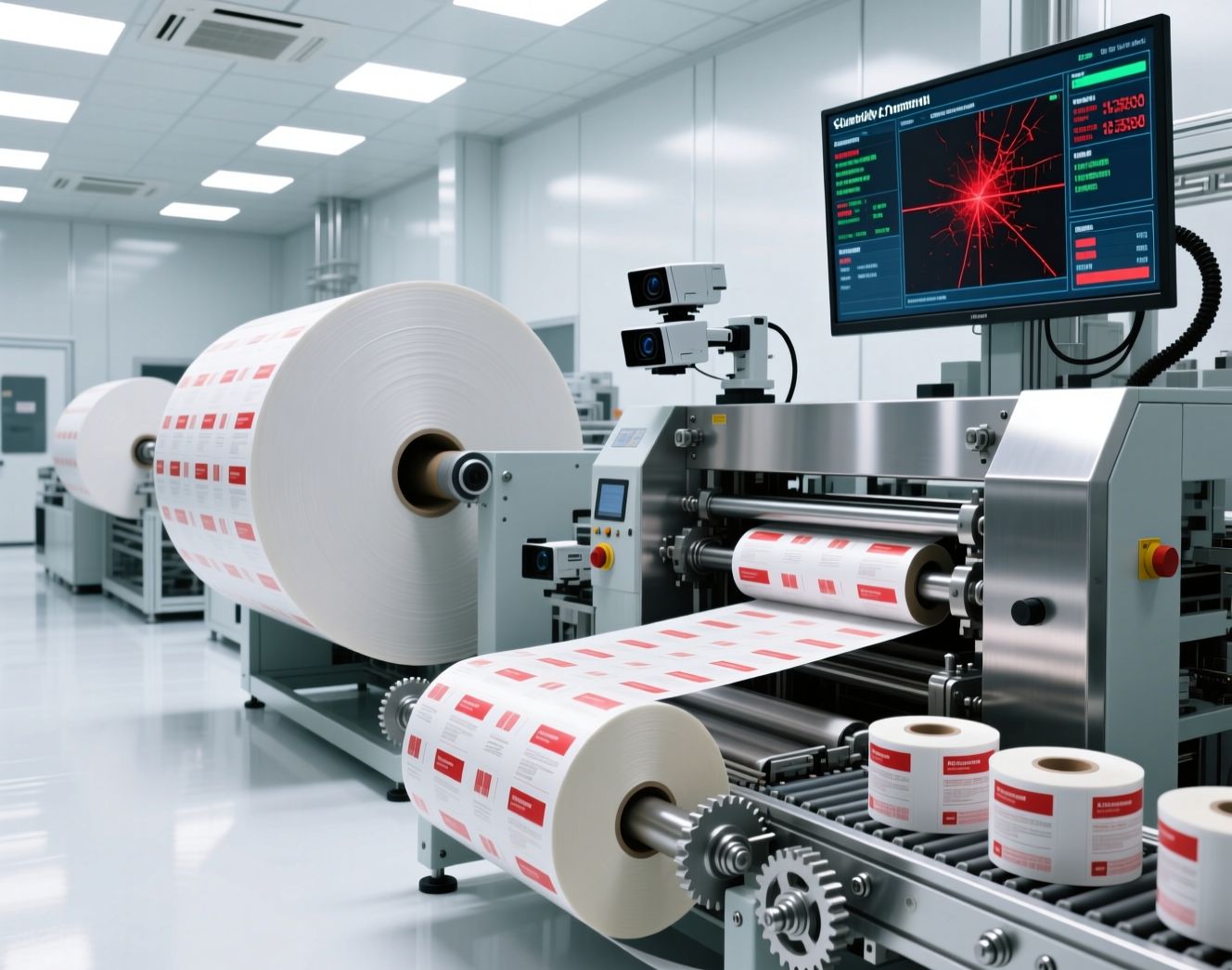
Integration with Hologram Production Lines
The inspection system integrates with hologram manufacturing and application equipment.
Typical integration features include:
- Installation of camera modules along hologram production lines
- Synchronization with label or packaging production systems
- Communication with production control systems
- Automatic rejection or marking of defective materials
This integration allows inspection to operate seamlessly within hologram manufacturing workflows.
Operator Interface & Workflow
The operator interface provides tools for monitoring inspection results and maintaining authentication product quality.
Key features include:
- Real-time visualization of inspected holographic elements
- Defect image display and classification
- Configurable inspection parameters and thresholds
- Inspection reports and production statistics
Operators can quickly identify defects and maintain consistent hologram production quality.
Benefits
Enhanced Quality, Security, and Reliability of DOE
Implementing DOE-based solutions provides several advantages:
01
Improved performance with fewer components
02
Compact and simplified design
03
High precision and consistency
04
Scalable and cost-efficient
05
Enhanced security capabilities
By verifying DOE security elements during production, manufacturers can ensure that authentication features remain reliable and effective for brand protection and security applications.
Get the Full Guide
Diffractive Security Solutions
Download the PDF to explore how DOE-based features provide high-level protection against counterfeiting.