

Lucid Imaging

+91 802 244 8252

Connect on

Intaglio OEM Overview

Banknote Intaglio Inspection System - OEM Integration

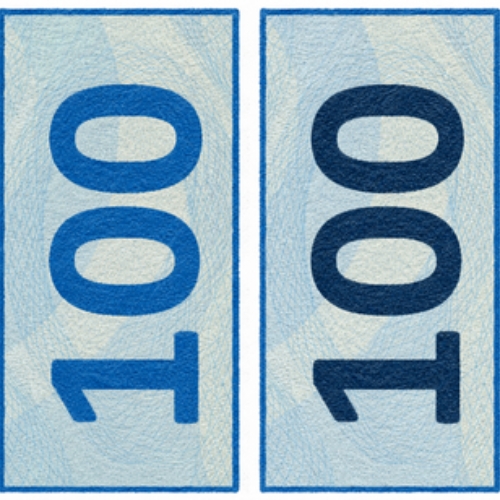
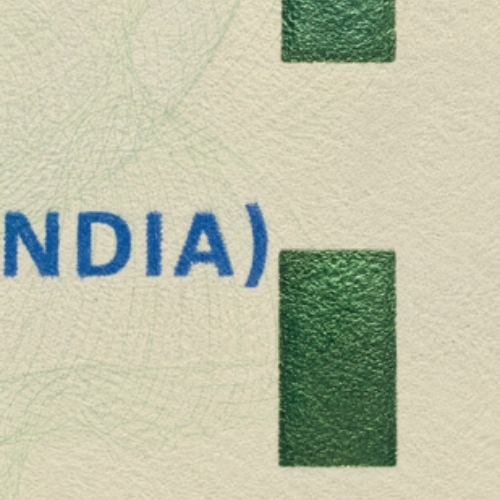
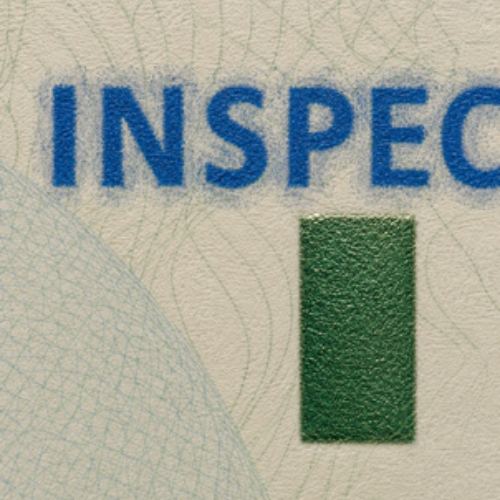
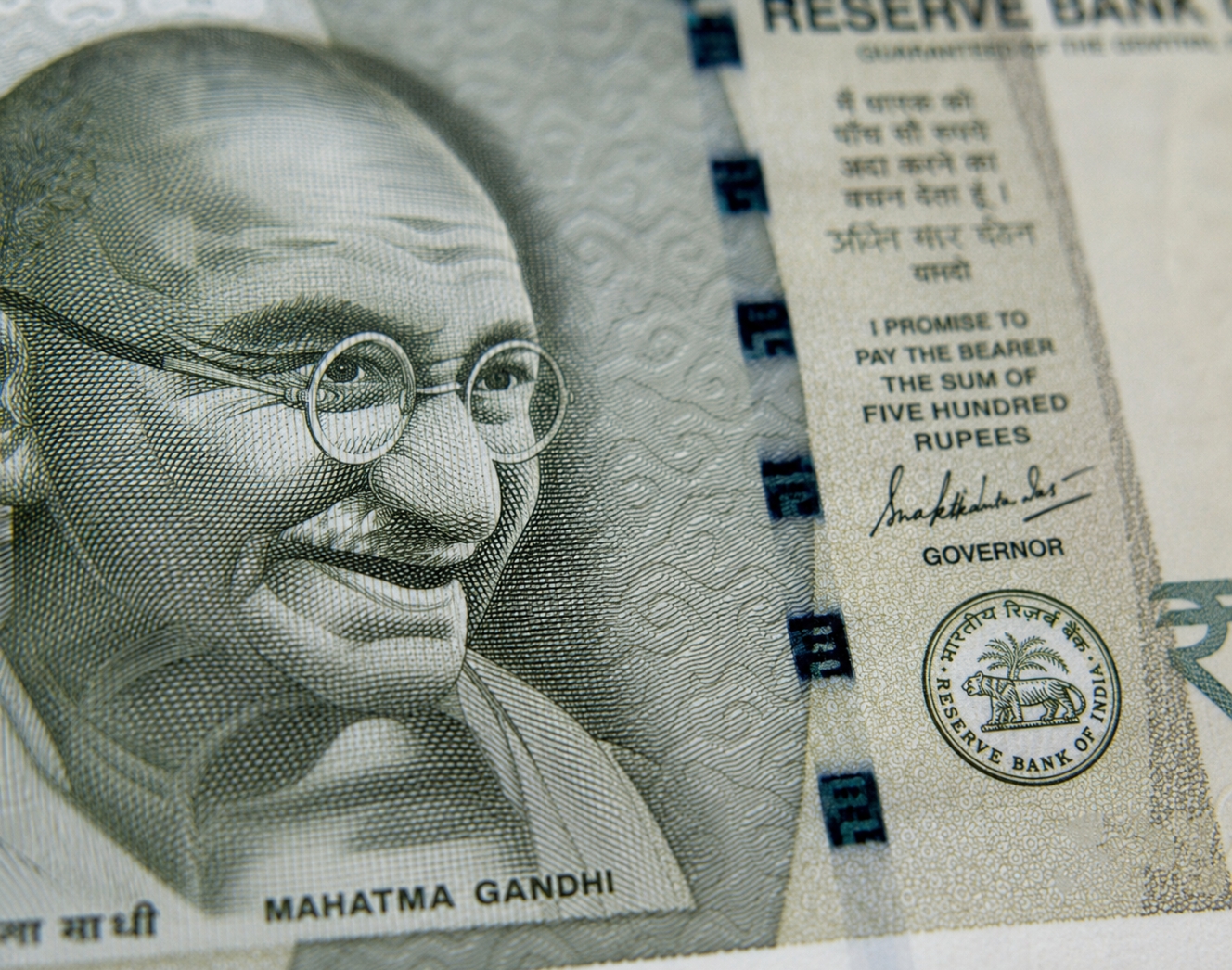
Intaglio printing is one of the most important stages in banknote production, responsible for printing the raised tactile features of the currency. These features include portraits, numerals, and other key design elements that give banknotes their distinctive feel and help support authentication.

The intaglio process uses engraved printing plates and high pressure to transfer thick layers of ink onto the security paper, creating a raised print structure. Maintaining precise control over this process is critical because variations in ink transfer, plate condition, or printing pressure can lead to defects that affect both the visual appearance and tactile quality of the banknote.

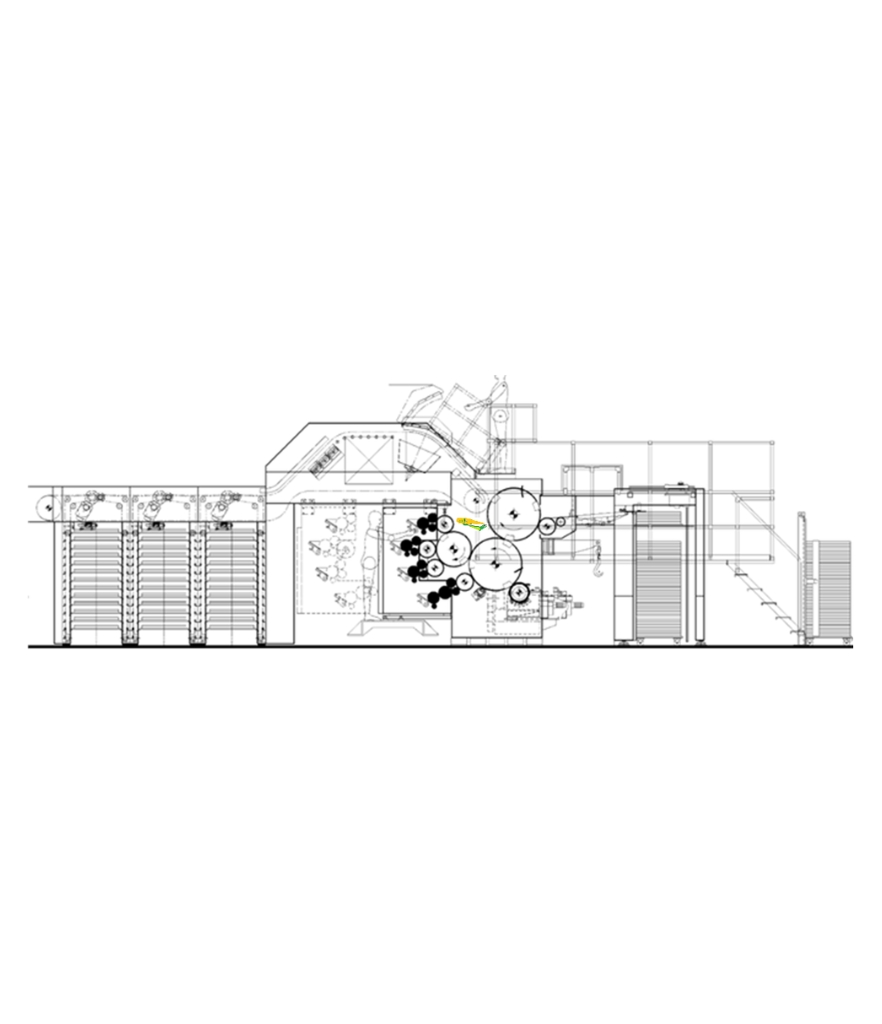
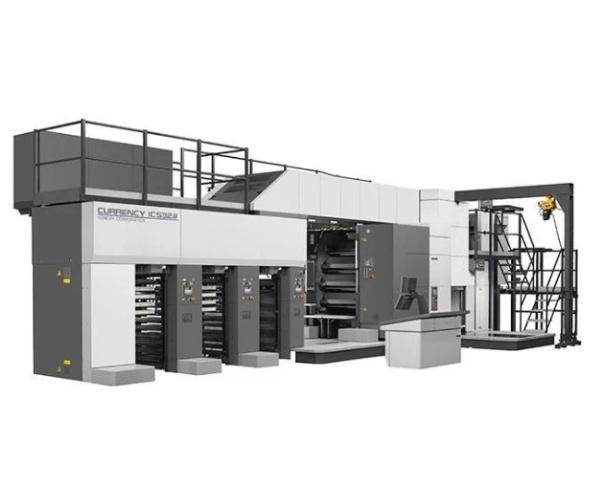
Lucid Imaging’s Banknote Intaglio Inspection System – OEM Integration enables automated inspection of printed banknote sheets during intaglio printing. Integrated directly into the printing press architecture, the system continuously monitors printed sheets and detects defects in real time. This allows printing facilities to maintain consistent print quality and ensure that only compliant sheets proceed to subsequent stages of banknote production.

Printing Stage

Inline Inspection During Intaglio Printing

Inspection is performed during the intaglio printing process, where security paper sheets pass through the press to receive the raised tactile print elements.

At this stage, the inspection system verifies that the printed design and tactile structures are reproduced correctly on every sheet.

Inline inspection during intaglio printing enables production teams to:

01

Real-Time Detection

Detect printing defects as soon as they occur

02

Tactile Monitoring

Monitor consistency of tactile print features

03

Issue Identification

Identify issues related to printing plates, ink transfer, or pressure settings

04

Defect Prevention

Prevent defective sheets from moving to numbering or finishing stages

This inspection stage plays a critical role in maintaining the security and visual quality of banknotes.

Inspection Scope

Ensuring Accuracy of Intaglio Prints

The Banknote Intaglio Inspection System verifies print quality, tactile design elements, and sheet alignment during production.

Typical inspection scope includes:

Print Quality Inspection

Missing print detection
Incomplete ink transfer
Ink smearing or spreading
Ink density variations
Print streaks or surface defects

Artwork & Design Verification

Verification of engraved design elements
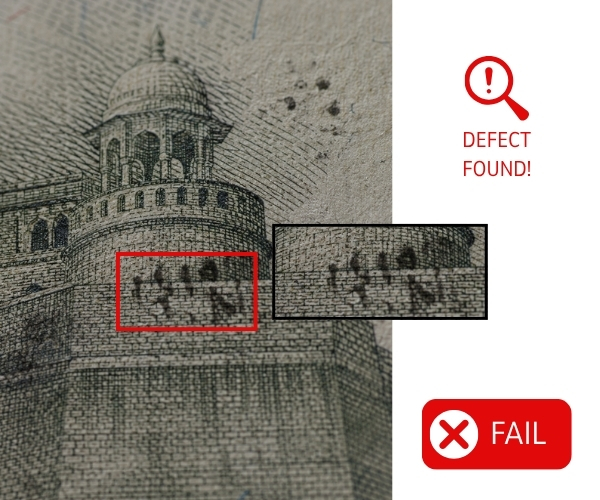
Detection of missing or distorted features
Inspection of portraits, numerals, and key security graphics
Monitoring of artwork consistency across sheets

Registration & Alignment Verification

Alignment of intaglio prints with previously printed offset layers
Verification of sheet positioning during printing
Monitoring of print registration accuracy

These inspections ensure that the printed banknote sheets meet the strict quality and security requirements of currency production.

System Architecture

Inline Inspection Architecture for Intaglio Prints

The Banknote Intaglio Inspection System is designed for high-security printing environments and precision sheet-fed intaglio presses.

High-Resolution Camera Modules

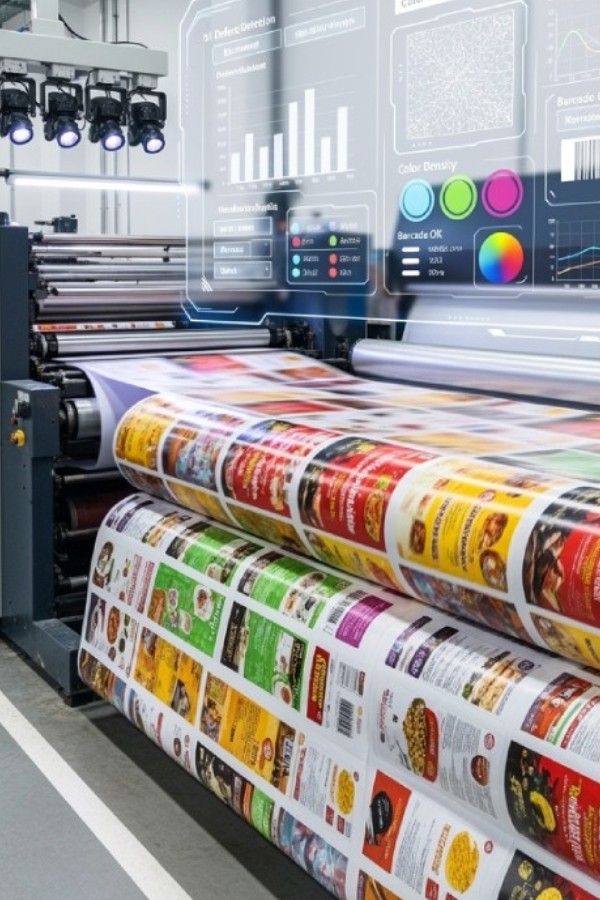
Industrial cameras capture detailed images of printed banknote sheets as they pass through the inspection station. These cameras are capable of detecting subtle defects in printed artwork and tactile design structures.

Precision Illumination System

Specialized illumination systems provide controlled lighting conditions that allow the inspection system to detect fine details and variations in printed designs.

Real-Time Image Processing Software

Advanced inspection software analyzes captured images in real time and compares them with reference artwork to detect deviations.

Press Synchronization Interface

The system synchronizes with the printing press transport system and sheet movement to ensure accurate timing of image acquisition and inspection.

System Processing Unit

A high-performance processing unit manages image acquisition, inspection algorithms, and communication with the printing press control system.

Operator Monitoring Station

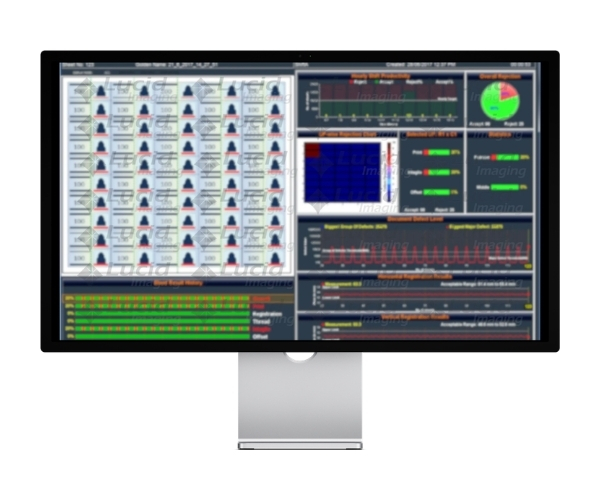
The operator interface allows production teams to monitor inspection results, review detected defects, and manage inspection parameters during printing operations.
Key System Capabilities

The Banknote Intaglio Inspection System provides capabilities specifically designed for currency printing environments:

These capabilities support the extremely high quality standards required in banknote printing facilities.

Integration with Intaglio Printing Presses

The OEM solution is designed to be integrated with new banknote intaglio printing presses as part of the machine architecture.

Typical integration features include:

This integration ensures that the inspection system operates seamlessly with the printing press without affecting production performance.

Operator Interface & Workflow

The operator interface provides a comprehensive view of the inspection process and allows operators to manage production quality effectively.

Key features include:

Operators can quickly identify printing issues and take corrective actions to maintain stable production conditions.

Benefits

Advantages of Inline Intaglio Monitoring

Implementing an OEM-integrated Intaglio Inspection System provides several advantages for banknote printing facilities:

01

Immediate detection of printing defects during production

02

Improved monitoring of tactile print consistency

03

Reduced waste and production losses

04

Enhanced quality control in currency printing

05

Improved reliability of banknote manufacturing processes

By integrating inspection directly into the intaglio printing press, manufacturers can ensure that only high-quality banknote sheets proceed to the next stages of production.

Get the Full Guide

Optimize your Banknote Printing Quality

Download the PDF to understand how integrating our inspection systems enhances intaglio print quality, reduces errors, and helps you maintain the highest security standards.